


An airport hotel is usually chosen for its location, but for sports travellers the room and the services matter just as much. A player, coach or supporter who spends several days moving between cities needs a base that supports rest, organisation and kit care, not only a short walk to the terminal. Those needs differ from the needs of a business traveller or a family on holiday.
This article looks at what sports travellers tend to value in an airport hotel. It covers the room, the practical services and the questions worth asking before booking. The points apply to team staff, independent supporters and anyone who travels with equipment for a tournament.
Tournaments are a useful reference for the kind of travel described here. The Asia hub lists archived fixtures from a region where multi-stage competitions required long journeys, and the archive includes footage of matches such as Japan v Qatar at the FIBA Asia Cup 2012.
What Sports Travellers Need From a Room
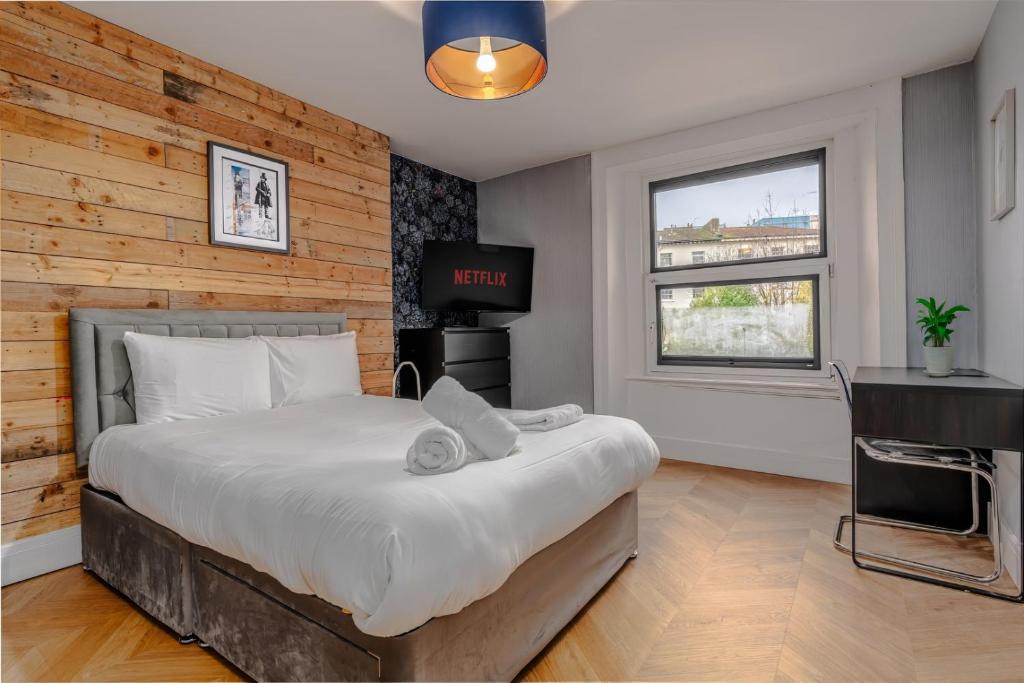
The room is where sports travellers recover, so its basic qualities matter more than decorative details. A firm bed, a quiet position away from the road and a desk for planning are usually the priorities. Blackout curtains help when the day has started early or when matches are played in the evening and the team needs to sleep through daylight.
Space matters too. A room with enough floor area to lay out kit, dry clothing and travel documents makes the morning run more smoothly. Group bookings often benefit from adjoining rooms, which keep coordination simple without requiring everyone to share a single space.
Consider accessibility for anyone who needs it. Step-free access, a lift that works reliably and a bathroom suited to the individual's needs should be confirmed in advance. These details are easy to overlook when booking online, so ask the hotel directly.
To finish, check the noise situation. Airport hotels can be close to runways and car parks, and a room on a lower floor facing the road may be noisier than one facing the back of the building. Ask for a quieter room when you book, and say why.
Breakfast, Meals and Early Hours
Breakfast is one of the most important services for an early-morning traveller, and it is also one of the most often misunderstood. The start time may be later than the departure, and the menu may not suit a pre-match routine. Ask whether an early breakfast is available, and whether a packed option can be prepared the night before.
For a tournament stay, meals matter across several days. A reliable restaurant near the hotel, or a room service menu that runs into the evening, helps when the schedule moves. Check whether these facilities are open late enough for a team arriving after an evening match.
Think about hydration and simple food as part of the plan. Travellers often forget water during long journeys, and an airport hotel with a shop or vending area can make it easier to keep supplies on hand. This is general travel planning, not medical advice, and anyone with a specific dietary need should check the options with the hotel directly.
Plan meal times around the match rather than around the hotel's standard schedule. A pre-match meal eaten two or three hours before tip-off is a common approach, and the hotel can often accommodate a slightly earlier serving if you ask in advance.
Storage for Kit, Equipment and Luggage
Equipment is where sports travellers differ most from other guests. A bag of balls, a set of training gear or a hard case for a specialist item takes up space and needs a safe place. Many airport hotels offer luggage storage, but the rules for equipment can differ, so ask whether there is a secure room for longer stays.
Check how the hotel handles early pick-up. If your equipment must go to the arena in the morning, confirm when it can be collected from storage and whether staff will be on hand before the usual opening time. A missed collection can disrupt the entire morning.
Laundry is another practical consideration. Kit that needs washing between matches can be difficult to dry in a small room, and a hotel with a laundry service or a nearby launderette saves time over a multi-day tournament.
Keep a list of everything stored, and label each item with a name and a contact number. Storage is only useful if the items can be identified quickly when they are collected. Ask for a written receipt when items go in, and keep a photo of the labels on your phone.
Wi-Fi, Group Coordination and Shared Spaces
Coordination is harder when a group is spread across several rooms. Reliable Wi-Fi is one of the most useful amenities for a team or a family, because it allows schedules, flight updates and meeting points to be shared quickly. Ask whether the connection is available in rooms and in shared areas, and whether there is a limit on devices.
Shared spaces such as a lobby or a meeting room can serve as a meeting point before the transfer. Agree on a spot in advance and make sure the staff know who to direct to it. A clear meeting point saves time when several people are trying to leave at once.
For larger groups, ask about a dedicated area for a briefing or a short team talk. Many hotels can arrange a quiet room for a few hours if the request is made early, particularly outside the busiest check-in periods.
It also helps to keep one shared document with the flight times, the hotel contact and the transfer booking. Wi-Fi is helpful, but it can fail, and a printed copy protects the plan when the connection drops.
Rest Between Matches
During a multi-day tournament, rest is more valuable than convenience. Players, coaches and supporters need short periods away from the schedule, and a room that allows that matters more than a lavish lobby.
Plan at least one quiet block each day. A short break after a morning journey, a rest before the match and a calm period after the final whistle help the group keep its energy. Keep phones and laptops away from the bed when possible, since notifications can break up sleep.
Supporters who cannot be at every match can still follow the action from the room. The live section offers a way to watch a fixture when it is available in your region, and a quiet evening with a match on screen can be a good use of a rest day.
Above all, agree on the rest plan as a group. If one person wants to sleep and another wants to explore, the group should decide in advance how they will meet up again, so that nobody feels left behind or pressured to keep up. Agree on a meeting time for the evening as well.
Frequently Asked Questions
Is a quiet room worth requesting at an airport hotel?
Yes, especially for early starts or evening matches where sleep matters. Ask when you book, and mention the reason so the hotel can match you with a suitable room if one is available.
Can a hotel store sports equipment for several days?
Some do, but policies differ. Confirm the storage arrangements, the security and the collection times before you arrive, and keep a list of everything you leave.
Do airport hotels offer laundry for kit?
Some offer a laundry service and others have a launderette nearby. Check in advance, particularly if you need kit returned within a set time between matches.
Is Wi-Fi usually included?
Many hotels include it, but terms vary. Check whether the connection covers all rooms and shared areas, and whether there is a device limit for a group.