


Large hub airports are built for transfers, which means they gather people from many countries into one place for a short time. For international basketball fans, that concentration can turn a connection into an unexpected meeting point. A supporter from one country may share a gate with a group heading to a different tournament, and a few shared minutes can become a conversation about the game.
This article looks at how hub airports shape those encounters, and how to plan a connection so that it stays manageable. It covers the practical side of transfers, the timing of layovers and the etiquette of crowded gates. It does not describe organised meetings or events, which do not take place unless the groups arrange them.
The homepage is the starting point for the archive, and the video list offers a way to browse the footage that brings fans together in the first place. Connecting fans often begin with a shared interest in matches that the archive still holds.
Why Hub Airports Become Meeting Points
A hub airport is designed to move passengers quickly between flights. Many of them are changing planes rather than leaving the airport, and their paths cross in the terminals, the lounges and the queues. That mixing makes hubs a natural place for travellers with a common interest to notice each other.
Sports fans are especially likely to be visible. Scarves, shirts, bags with team names and printed match tickets are easy to spot in a crowd, and a shared reference point can open a conversation within seconds. The result is often a brief exchange, not a planned gathering.
The scale of a hub also matters. A large airport has more gates, more flights and more people passing through, which increases the chance of meeting someone heading to the same competition. A smaller airport may offer fewer encounters but a calmer journey.
Treat these encounters as a bonus rather than a plan. A connection should be organised for the traveller's own needs, and any meeting with other fans is a welcome extra that depends on chance and goodwill. Keep your own schedule as the priority, and never let a chance meeting delay a flight or a check-in.
Heathrow as a Transfer Point
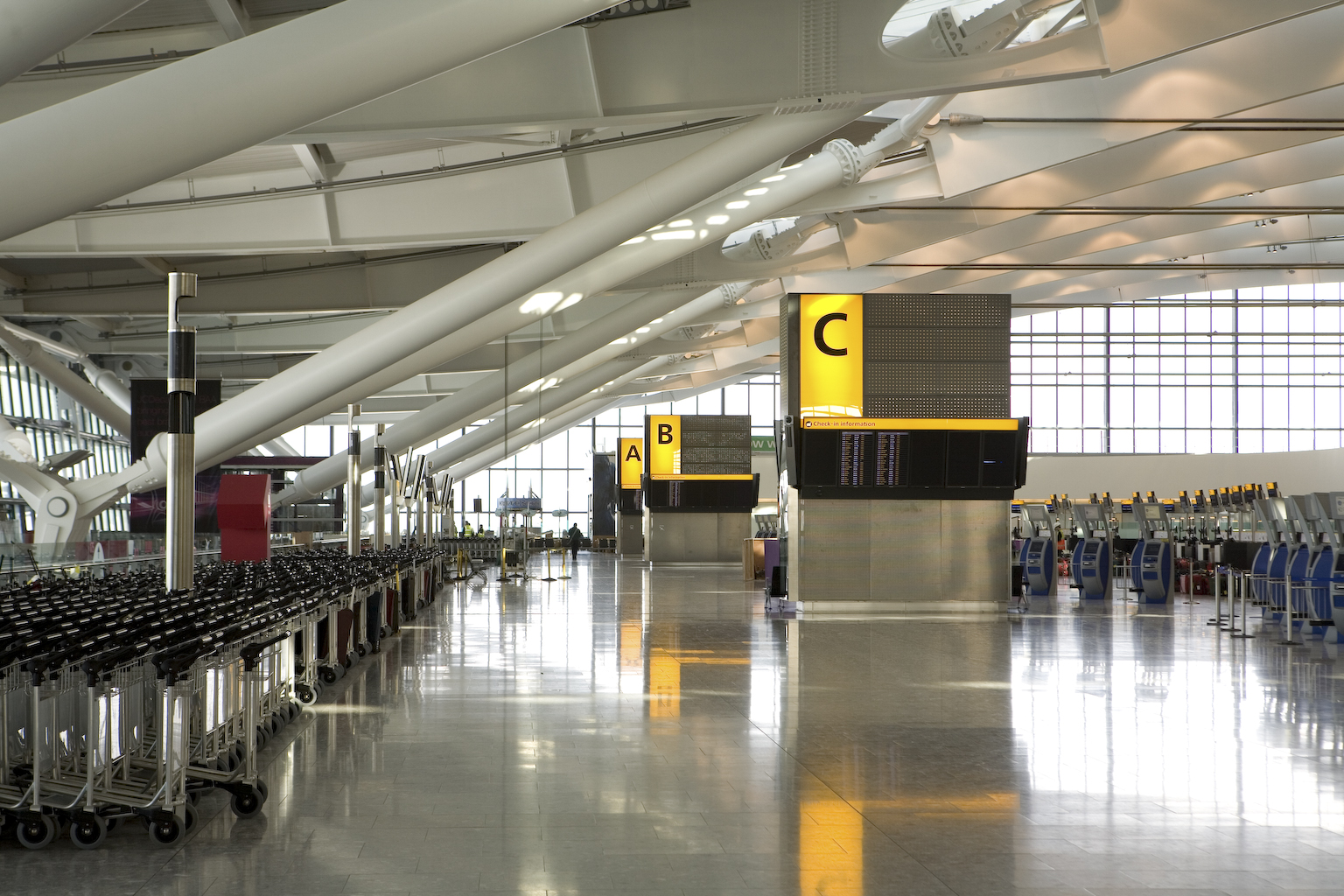
Heathrow is one of the busiest transfer airports in Europe, and it links a large number of routes across the world. Many international travellers pass through it on the way to a tournament, which makes it a common place for supporters to cross paths. The size of the airport also means that transfers can take longer than expected.
Plan the connection around the terminal you will use. Heathrow has several terminals, and moving between them requires a separate journey. Check your airline's terminal before you travel, and allow extra time if your connection involves a change of terminal.
The Europe hub lists archived fixtures from the region, and many of those tournaments drew teams and supporters through airports like this one. Looking at the schedule before you travel can help you judge whether a connection through a large hub is the right choice for your trip.
Keep your boarding pass and passport ready at each stage of the journey. Security and transfer checks can be frequent in a large hub, and a quick reference to your documents keeps the queues moving.
Layover Time and Staying Organised
The length of a layover shapes the experience of a connection. A short layover leaves little margin for delays, and a long one gives time to rest but can feel tedious. Most travellers aim for a middle ground, long enough to make the connection safely and short enough to avoid an unnecessary wait.
Use the layover to take care of simple tasks. Charge your phone, eat a proper meal, check the gate for your next flight and confirm the transfer for the final leg. These steps reduce stress later in the journey and free up time for anything else.
If you are travelling with a group, agree on a meeting point in the terminal and a time to regroup. Crowds can separate people quickly, and a shared plan prevents the familiar scramble to find everyone before boarding.
Keep the details of your connection in one place. Flight numbers, gate changes and the transfer booking should be easy to find, because a change at the last minute is far easier to manage when the information is at hand. Screenshot the key details as well, since a flat phone battery is a common cause of confusion at the gate.
Etiquette at Shared Gates and Transfer Desks
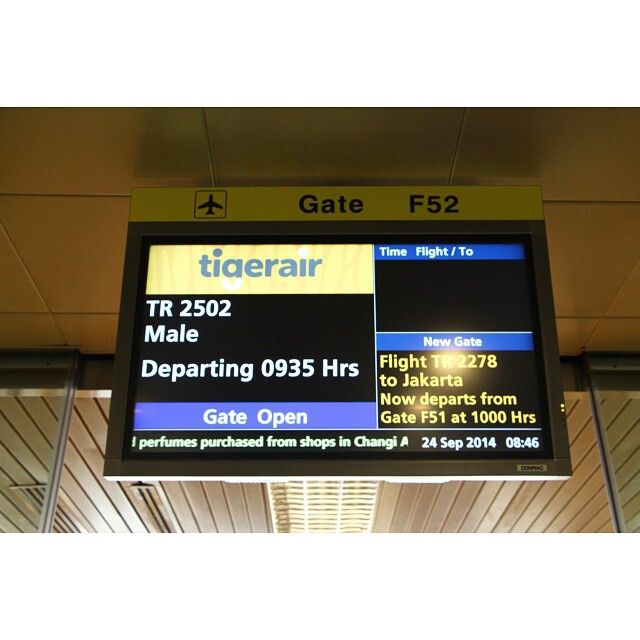
Shared gates and transfer desks bring together people who may be tired, anxious or in a hurry. A friendly tone goes a long way, but so does respect for queues and for other travellers' space. Supporters who are celebrating or chanting should keep it proportionate to the setting and the people around them.
When a group of fans shares a gate, the usual rules of courtesy apply. Keep bags and equipment out of walkways, offer help when someone is struggling with luggage and avoid blocking seating areas that other passengers need. Small gestures like these make a crowded airport easier for everyone.
Be mindful of the staff as well. Airline and airport teams handle many flights at once, and clear, polite requests get faster responses than frustrated ones. Having documents ready and asking one clear question at a time helps everyone move on.
If a conversation turns into a plan, make sure it is a plan that everyone agrees to. Exchanging contact details, or agreeing to meet after a match, should always be a choice made by the people involved, and it should respect their schedules and their safety.
Choosing Direct Routes or Connections
Direct flights and connections each suit a different kind of trip. A direct flight removes the risk of a missed connection and saves time, but it may cost more or leave from a less convenient airport. A connection can open up cheaper fares and more routes, at the cost of extra changes and a longer day.
For a supporter, the choice often comes down to how much margin you need before a match. A tight connection before a tip-off is risky, because a delay on the first leg can cascade into a missed game. A longer connection gives room to absorb a late departure, though it also makes the day more tiring.
It helps to compare the options by total journey time, including the time spent between gates and at security. A route that looks quick on a screen can take longer than expected once a change of terminal is needed.
Keep the decision in writing. Note the flight numbers, the minimum connection time and the fallback option if the first leg is late. A simple written plan makes it easier to rebook quickly if the airline changes the schedule.
Frequently Asked Questions
Do airports arrange meetings for basketball fans?
No. Airports do not organise fan meetings, and any gathering between travellers is arranged by the people involved. A shared interest can lead to a conversation, but that is a matter of chance.
Is a long layover better than a short one?
It depends on the trip. A longer layover gives more room for delays and rest, while a shorter one saves time. Choose the option that gives you a safe margin without a long, tiring wait.
How do I avoid missing a connection at a large hub?
Check the minimum connection time, confirm the terminal and keep your gate information up to date. Allow more time if you need to change terminals or collect and re-check luggage.
Can I follow a match from the airport?
You can follow live coverage where it is available, but availability depends on the broadcaster and your location. Check the live section before travelling, and confirm the rights and access rules in your country.