


An early flight changes the whole rhythm of a match weekend. A departure at six in the morning means leaving the house before the sun is up, and the journey to the terminal can absorb the margin that a relaxed evening would have given you. For supporters and teams heading to international away games, that early start often decides where to sleep the night before.
Staying near the airport is one answer. A nearby hotel shortens the final transfer, simplifies check-in and removes the risk of a missed flight caused by a jam on the road. The trade-off is that the room may cost more than a similar stay in the city, and the evening itself can feel less lively. This article explains when that trade-off works and how to check a hotel before you book it.
The archive gives a sense of how international fixtures were organised. The homepage and the schedule show the overall shape of tournaments, which helps when you are working out which fixtures could involve an early departure after an evening match.
Why the Night Before Matters Most
The night before an early flight is the one night where small problems turn into large ones. A late finish at the arena, a slow train back into the centre or a restless sleep can all reduce the time you have to rest. Many airlines ask passengers to arrive at the terminal well before an international departure, so the margin shrinks quickly once the alarm goes off.
Public transport at very early hours is often limited. Trains and buses may run less frequently, or stop altogether for a few hours. A taxi is possible, but at short notice and in the small hours it can be expensive and hard to find, particularly in a city where many people are leaving on the same morning.

That is why the night before deserves its own plan. The question is not only where to sleep, but how to reach the terminal calmly. Staying close to the airport removes most of the uncertainty, because the walk or shuttle is short and the check-in desks are already in reach.
For a group, the same logic applies with greater force. Coordinating several people to leave a city before dawn is much harder than one traveller doing the same, so a shared hotel near the terminal can keep everyone within a single short journey.
The Europe hub groups archived fixtures by competition, which helps when matches are spread across several cities and an early flight is part of the plan.
What an Airport Hotel Typically Offers
Airport hotels are built around travellers who need an early start, and their facilities reflect that. Most offer a shuttle to the terminal, an early breakfast option and a reception that is staffed around the clock. Some also provide luggage storage, which helps if you have an equipment bag and need to collect it on the way out.
The details vary from property to property, so do not assume a feature is included because it is common. Shuttle services may run only at set times, and the last run of the evening can be earlier than you expect. Early breakfast may start at a fixed time that is later than your departure, which is why it is worth asking for a takeaway option.
Check whether the hotel allows early check-in on the day of arrival. A late match can make it hard to arrive before the usual check-in time, and a clear answer from the front desk avoids standing in a lobby after a long day.
Ask about parking as well if you plan to drive or leave a car for the duration of a trip. Airport parking charges can add up, and some hotels offer their own car park at a lower rate for guests. Always confirm the terms in writing rather than relying on a summary online.
Comparing an Airport Stay With a City Stay
An airport stay and a city stay answer different questions. The airport option makes the early morning simple, while the city option gives access to restaurants, sights and public transport at a normal hour. The right choice depends on whether the next day's start or the evening before matters more to you.
The table below sets the two options side by side in general terms. Real costs and times depend on the city, the season and the specific hotel, so treat it as a planning framework rather than a quote.
| Factor | Airport hotel | City hotel |
|---|---|---|
| Transfer on departure morning | Short, often by shuttle or on foot | Longer, usually by taxi or early transport |
| Room cost | Often higher for the location | Varies widely by area and season |
| Evening options | Limited nearby choice | Wide range of restaurants and bars |
| Risk of missed flight | Lower, because the terminal is close | Higher if traffic or transport is disrupted |
| Best suited to | Very early departures and tight schedules | Trips with several days in the city |
A useful test is to imagine the morning of departure. If you can picture yourself leaving the room at a fixed hour with a single short journey ahead, the airport stay is probably the better fit. If the morning looks like a long chain of connections, the difference in room cost may be worth paying.
Timing a Dawn Departure Step by Step
Start with the departure time and work backwards. Find the check-in opening and closing times for your flight, and add the time it takes to clear the bag drop and security. Those figures give you the earliest sensible arrival at the terminal, which is the real target for the hotel plan.
Next, add the transfer. If the hotel shuttle runs every thirty minutes, plan to be at the pick-up point with time to spare, not at the minute the shuttle is due. If you are walking, measure the route on a map and allow more time than the map suggests, because heavy bags and early-morning pavements slow progress.
Set the alarm with a buffer that covers a slow wake-up. The first half hour after waking is often the least efficient part of the morning, and a short buffer protects the schedule from small delays like a missing charger or a forgotten passport.
In practice, prepare the night before. Pack the bag, lay out travel documents, check the flight status and charge the phone. Doing these tasks in the evening, rather than in the dark at dawn, is one of the simplest ways to make an early departure feel manageable.

Checking Hotel Terms Before You Book
Read the cancellation policy before you pay. Airport hotels sometimes offer rates with strict terms, and a flight change can leave you with a room you cannot use. A flexible rate costs more, but it can be worth the difference when the match schedule is still uncertain.
Confirm what happens if you arrive late. Some hotels hold a room only until a set time unless the booking includes a late arrival guarantee. If your flight lands after midnight or the match runs long, ask the hotel to note your expected arrival time.
Check the breakfast timings and the shuttle schedule in writing. A website may show a general opening time that does not match the departure window for your flight. A short email to the hotel gives a definite answer and creates a record you can refer to later.
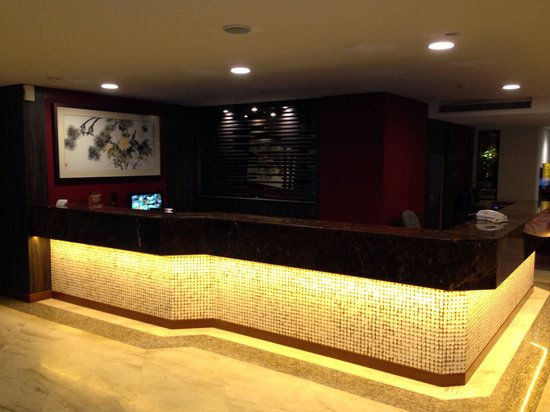
Before you go, compare the total cost. Include the room, any parking, the transfer you would otherwise need and the price of a takeaway breakfast. A stay that looks dear on the nightly rate can be the cheapest overall once the transfer costs are added up.
Frequently Asked Questions
Is an airport hotel worth it for a single early flight?
It can be, especially if the departure is before the first public transport of the day. Compare the total cost with a taxi from a city hotel, including the time you would spend getting to the terminal.
Do airport hotels usually offer early breakfast?
Many do, but the start time varies. Ask in advance whether breakfast opens before your departure, and whether a takeaway option is available if it does not.
Should I book the shuttle in advance?
Check whether the hotel requires a booking. Some shuttles run on a fixed timetable, while others need a request the day before, so confirm the arrangement for your specific morning.
What if the match runs late before an early flight?
Plan the hotel stay to shorten the morning, and keep a fallback taxi in mind. A late finish reduces sleep, so decide in advance how much rest you need and set the alarm accordingly.