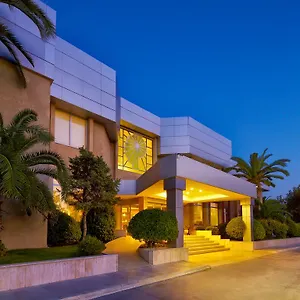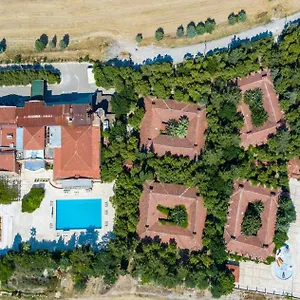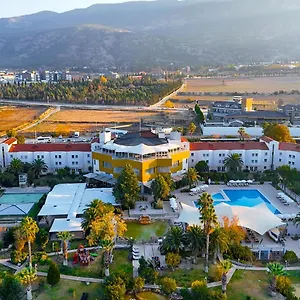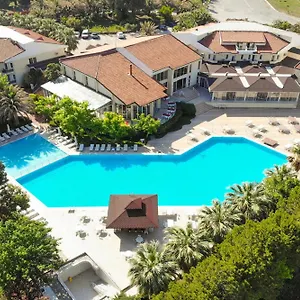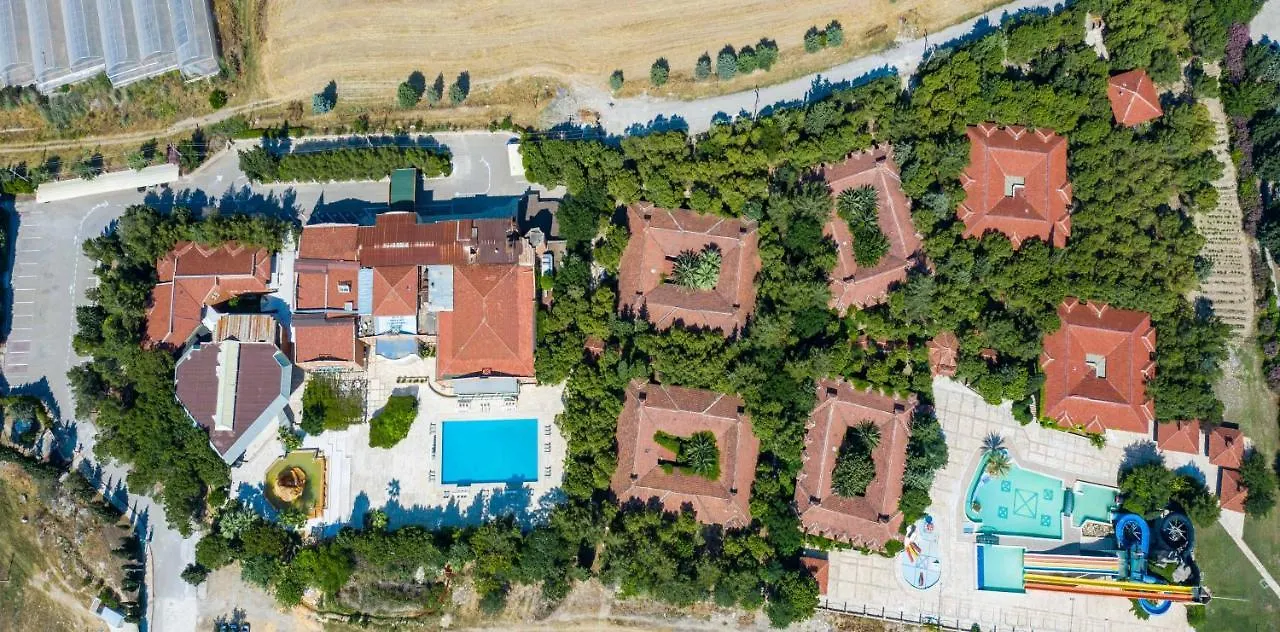
Karahayit is one of the few places in Turkey where the thermal water runs red - literally. The iron-rich springs that surface here have made this small district of Pamukkale a dedicated destination for thermal therapy and spa-focused stays, drawing visitors who come specifically for the mineral baths rather than as a secondary stop on a sightseeing route. The four spa hotels in this guide all tap into that same geothermal source, but differ significantly in room quality, pool infrastructure, and included wellness services.
What It's Like Staying in Karahayit
Karahayit sits about 4 kilometers north of Pamukkale village, and the two feel distinctly different in character. Where Pamukkale is oriented around tourism and the travertines, Karahayit is quieter and more resort-self-contained - most guests spend the majority of their time inside their hotel's thermal facilities rather than exploring the streets. The red mineral springs are the defining feature of the area, and staying here gives you direct access to that resource without the day-tripper crowds of the main Pamukkale site.
Mobility outside the hotels is limited on foot - there is no compact walkable center with restaurants and shops the way there is in European spa towns. Guests who want to visit the Pamukkale Travertines or Hierapolis will need a taxi, hotel shuttle, or rental car for the short drive over.
Pros:
- Direct access to iron-rich red thermal water, unavailable anywhere else in the Pamukkale region
- Low ambient noise - no busy main road running through the hotel strip at night
- Hotels are largely self-sufficient with pools, restaurants, and spa facilities on-site
Cons:
- No walkable dining or bar scene outside the hotels themselves
- Visiting the Pamukkale Travertines requires a vehicle - around 4 kilometers away
- Limited public transport connectivity; most guests rely on hotel shuttles or private taxis
Why Choose a Spa Hotel in Karahayit
Spa hotels in Karahayit are not just properties that include a steam room as a side amenity - they are built around thermal infrastructure, with private in-room spa baths, dedicated thermal pools fed by geothermal springs, and on-site hammams that use the mineral water as their core offering. This is structurally different from a city spa hotel in Istanbul or İzmir, where wellness is a premium add-on. In Karahayit, thermal bathing is included in most room rates, which significantly changes the value calculation. The price premium over a standard guesthouse in Pamukkale village runs around 40%, but that gap narrows considerably when you factor in the thermal access, breakfast, and wellness facilities that are typically bundled in.
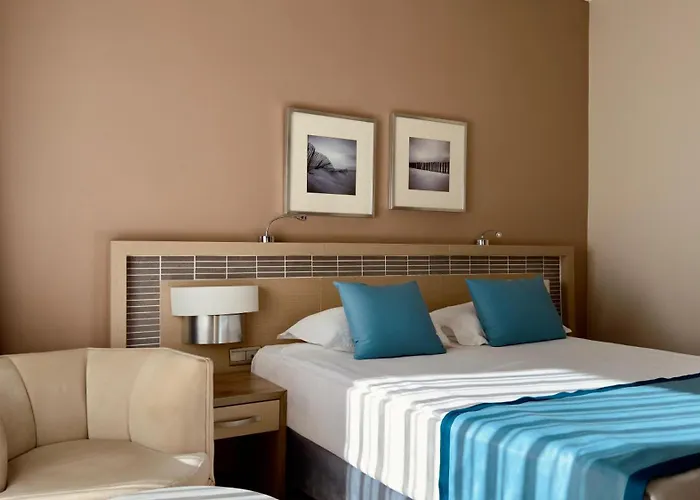
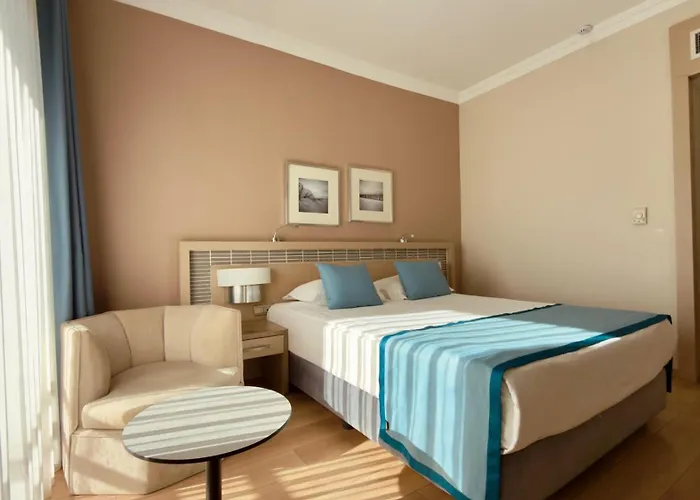
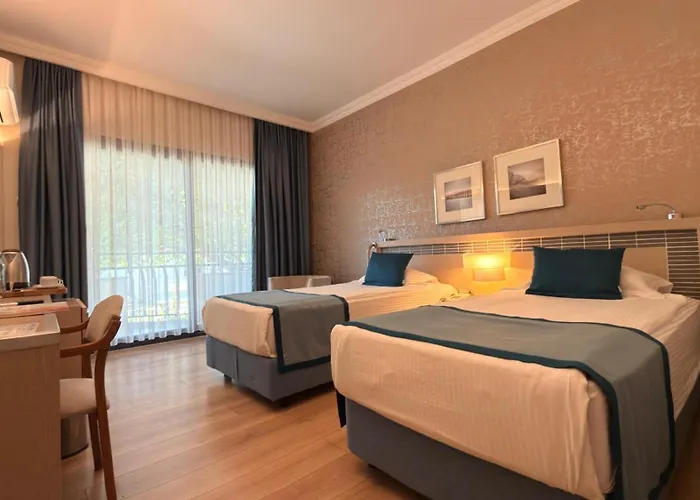
Room sizes in Karahayit spa hotels tend to be larger than equivalent-star properties in Turkish city centers, partly because the properties are resort-format rather than urban format, and partly because many rooms include a personal spa bath or jacuzzi as a standard fixture.
Pros:
- Thermal pool and hammam access typically included in room rate - no per-session surcharges
- In-room thermal spa baths available as a standard feature in most properties here
- Resort-format rooms with balconies and garden or pool views, larger than city-hotel equivalents
Cons:
- Full-board or half-board packages are common, which limits flexibility for dining outside the hotel
- Wellness facilities can get crowded during Turkish public holidays and peak summer weekends
- Airport transfers from Denizli Çardak Airport add logistical cost - most hotels charge for shuttles
Practical Booking & Area Strategy for Karahayit
The main hotel strip in Karahayit runs along Karahayit Caddesi, and properties positioned on or just off this road have the most direct access to the red spring travertine formations that are viewable near the village center. Arriving by car is the most practical option - Denizli Çardak Airport is 79 kilometers away, and most hotels offer a paid shuttle that should be pre-booked. If you plan to visit the Pamukkale Travertines and Hierapolis archaeological site, the easiest strategy is to arrange a hotel taxi for a half-day excursion rather than relying on local minibuses, which run infrequently. Book at least 6 weeks ahead for stays between April and June, when European visitors combine Pamukkale with an Aegean coastal itinerary, and the spa hotels here fill up quickly. The district is calm after 9 PM - there is no entertainment strip, which suits recovery-focused stays but will disappoint anyone expecting resort nightlife.
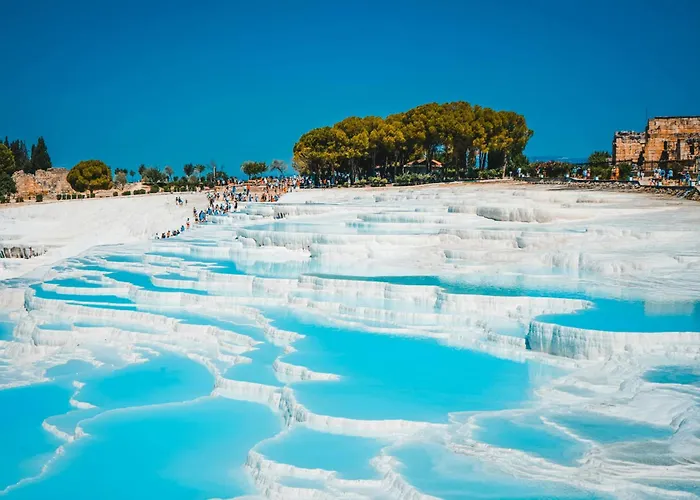
Karahayit's own red thermal travertines near the village are a genuine attraction - smaller and less visited than the white calcium travertines of Pamukkale, they offer a more intimate experience and are walkable from most hotels on the main road. Winter stays are underrated: the outdoor pools are heated, prices drop noticeably, and the pine-forested hillsides give the area a quiet, almost retreat-like atmosphere.
Best Value Spa Stays in Karahayit
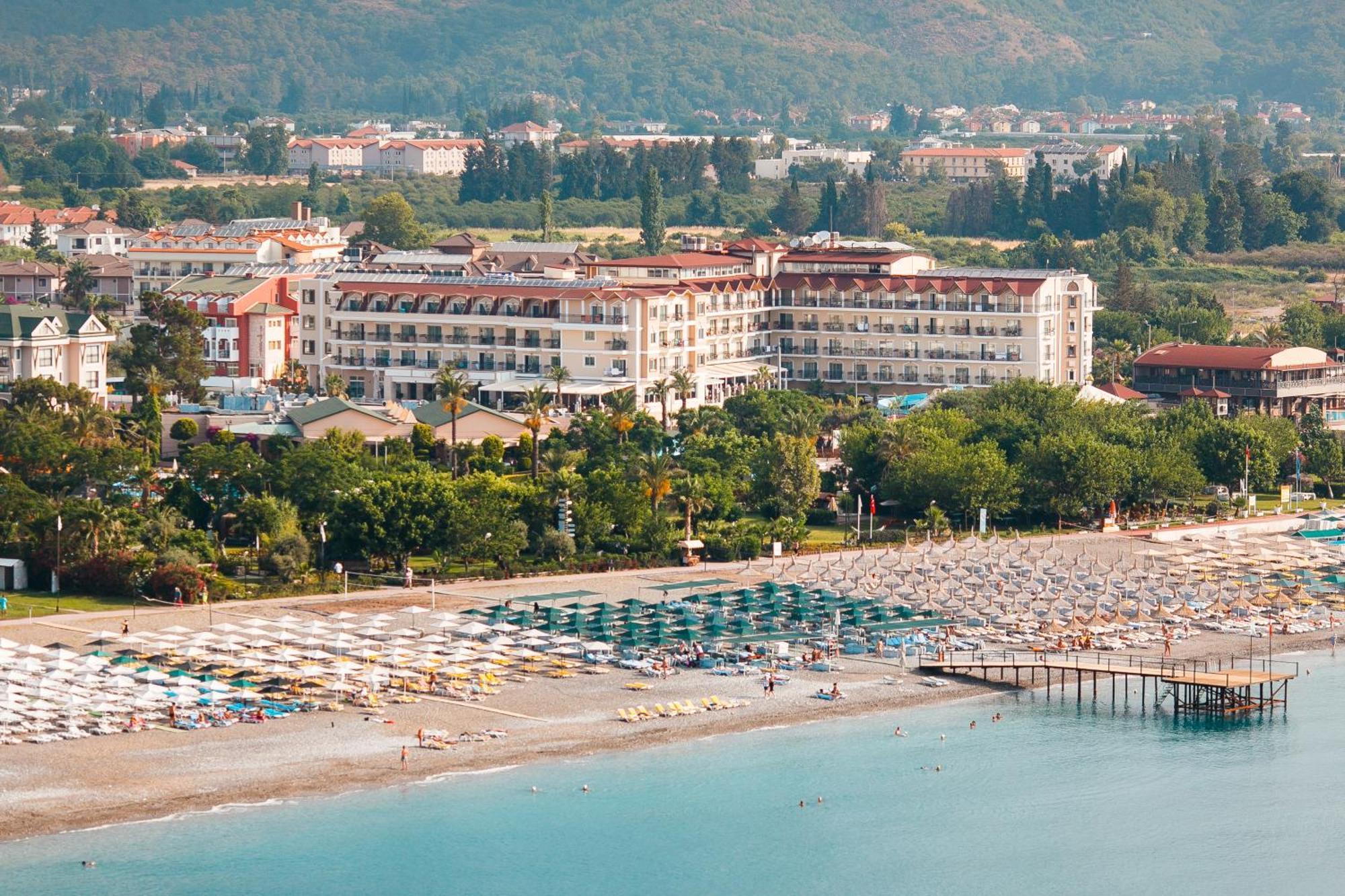
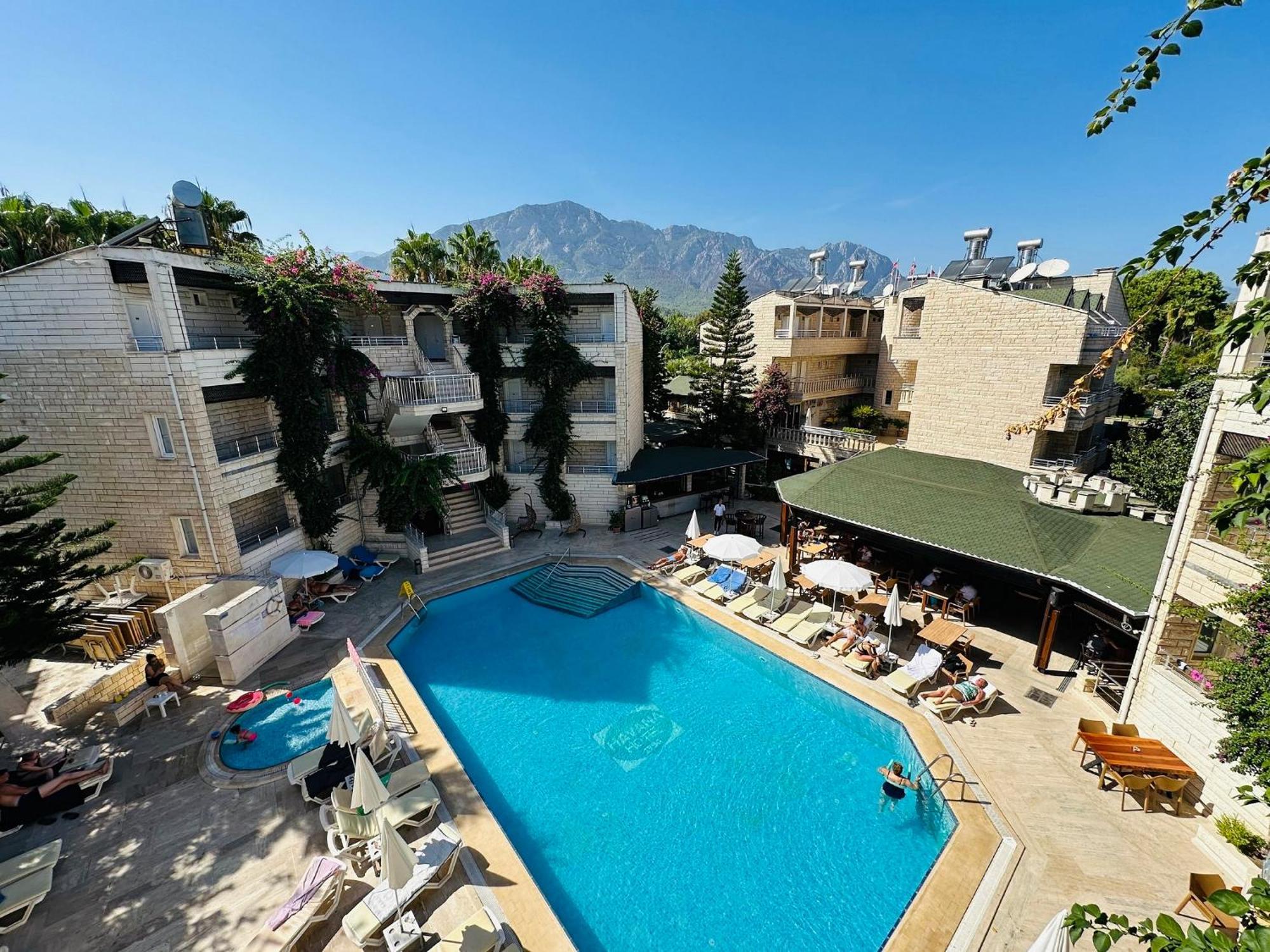
These two properties deliver strong thermal credentials and well-rounded spa facilities at a more accessible price point, making them the practical entry point for a Karahayit spa stay without sacrificing the core thermal experience.
-
1. Pam Thermal Hotel Clinic & Spa
Show on map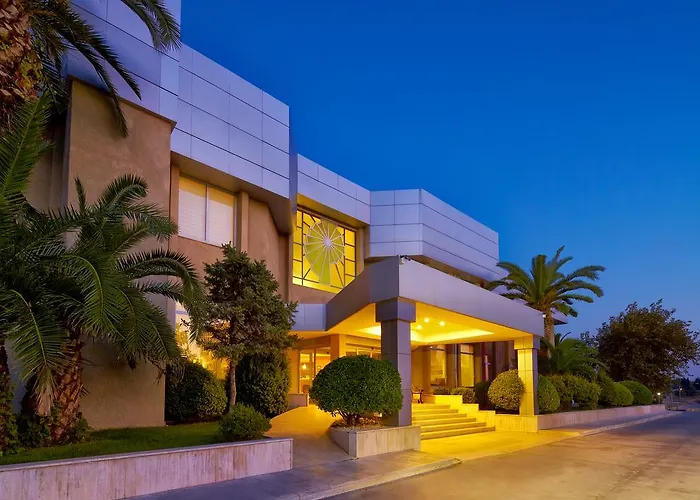
 Check-infrom 14:00 until 20:00Check-outfrom 11:00 until 12:00
Just a few rooms left at the best rate!
fromTL 6410
-
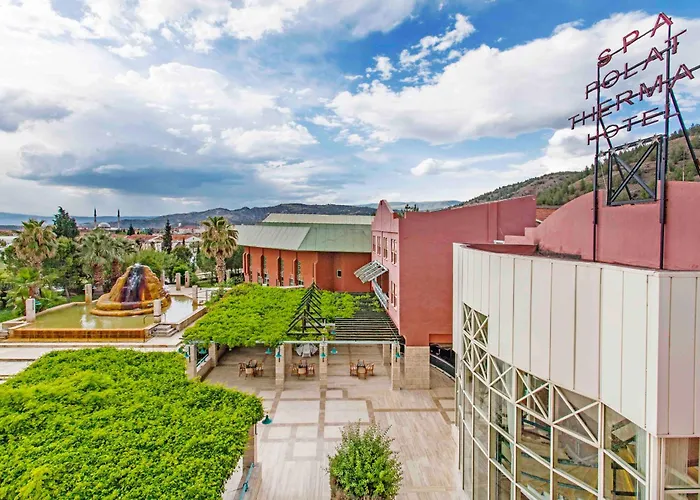
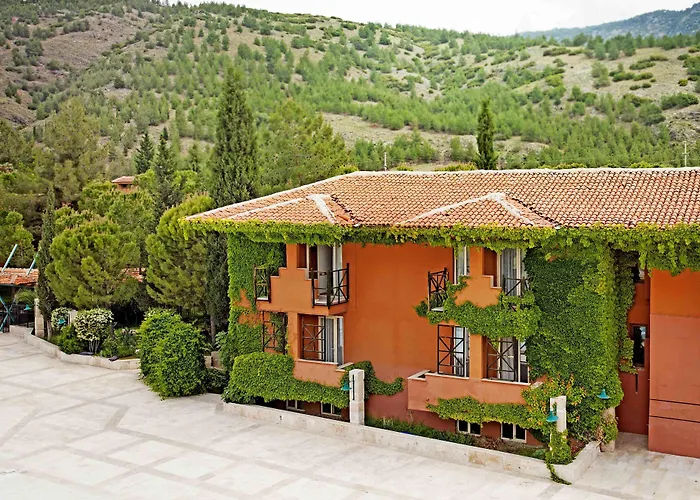
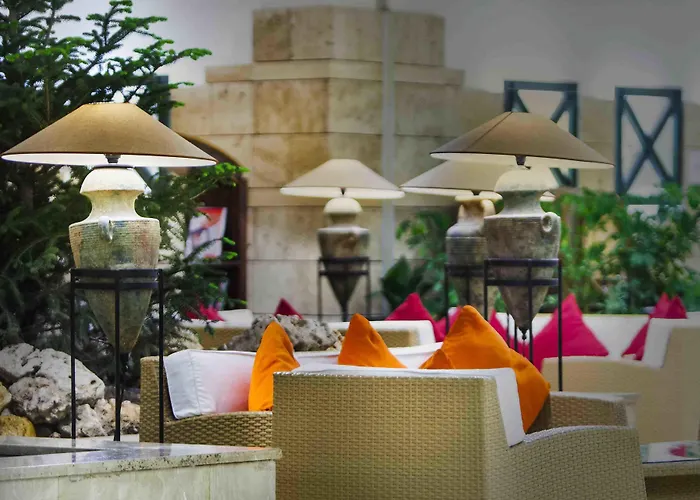
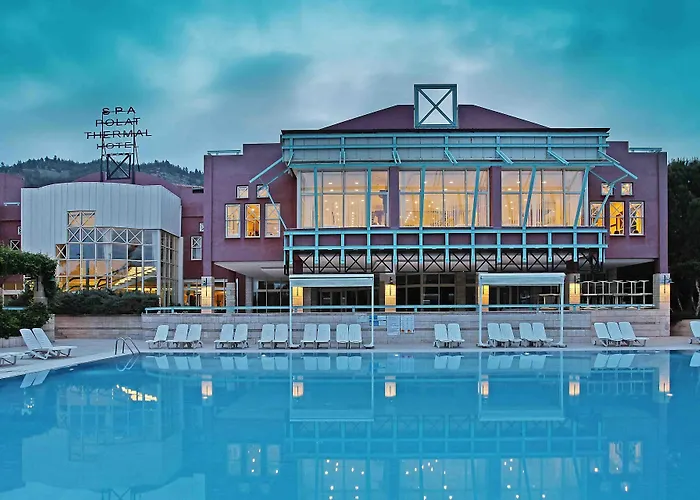
2. Polat Thermal Hotel
Show on map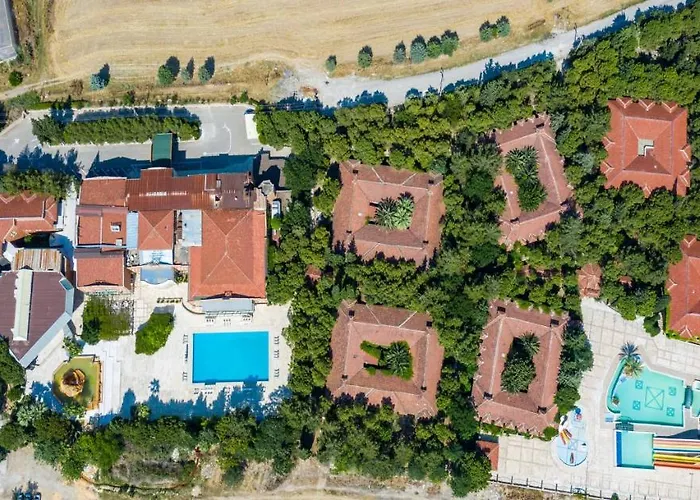
 Check-infrom 14:00 until 23:59Check-outuntil 12:00
Just a few rooms left at the best rate!
fromTL 7798
Best Premium Spa Stays in Karahayit
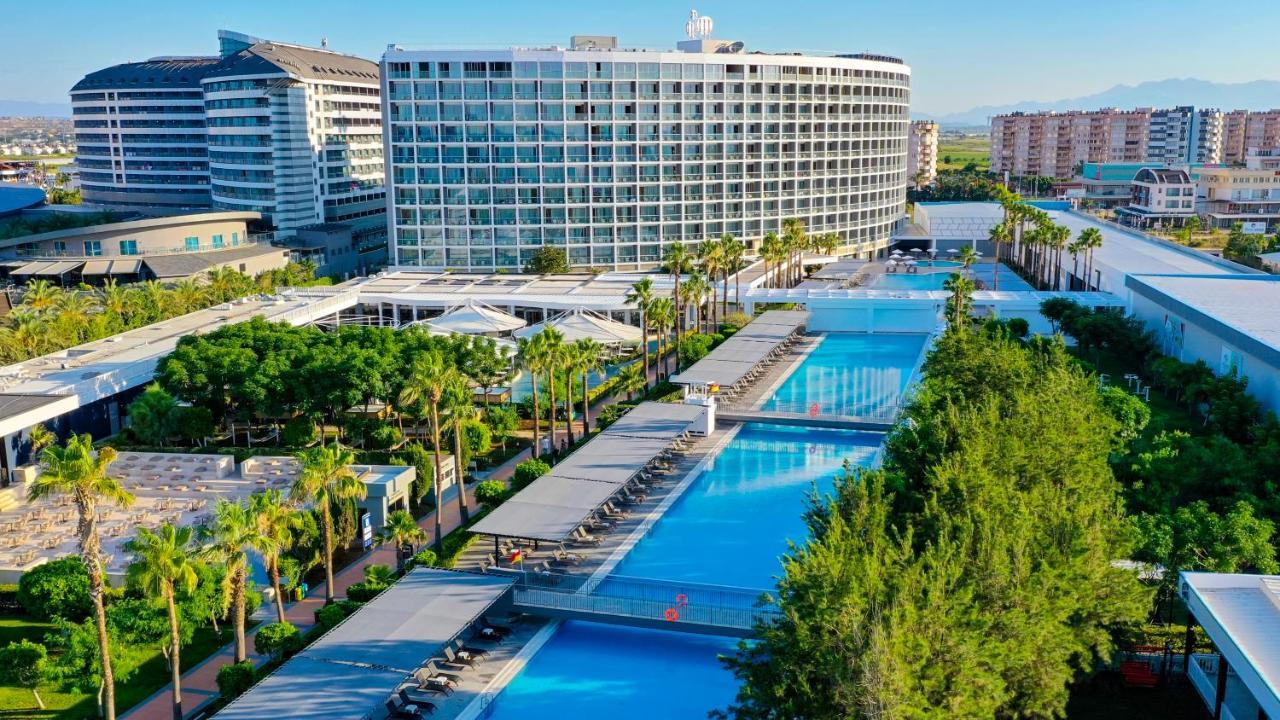
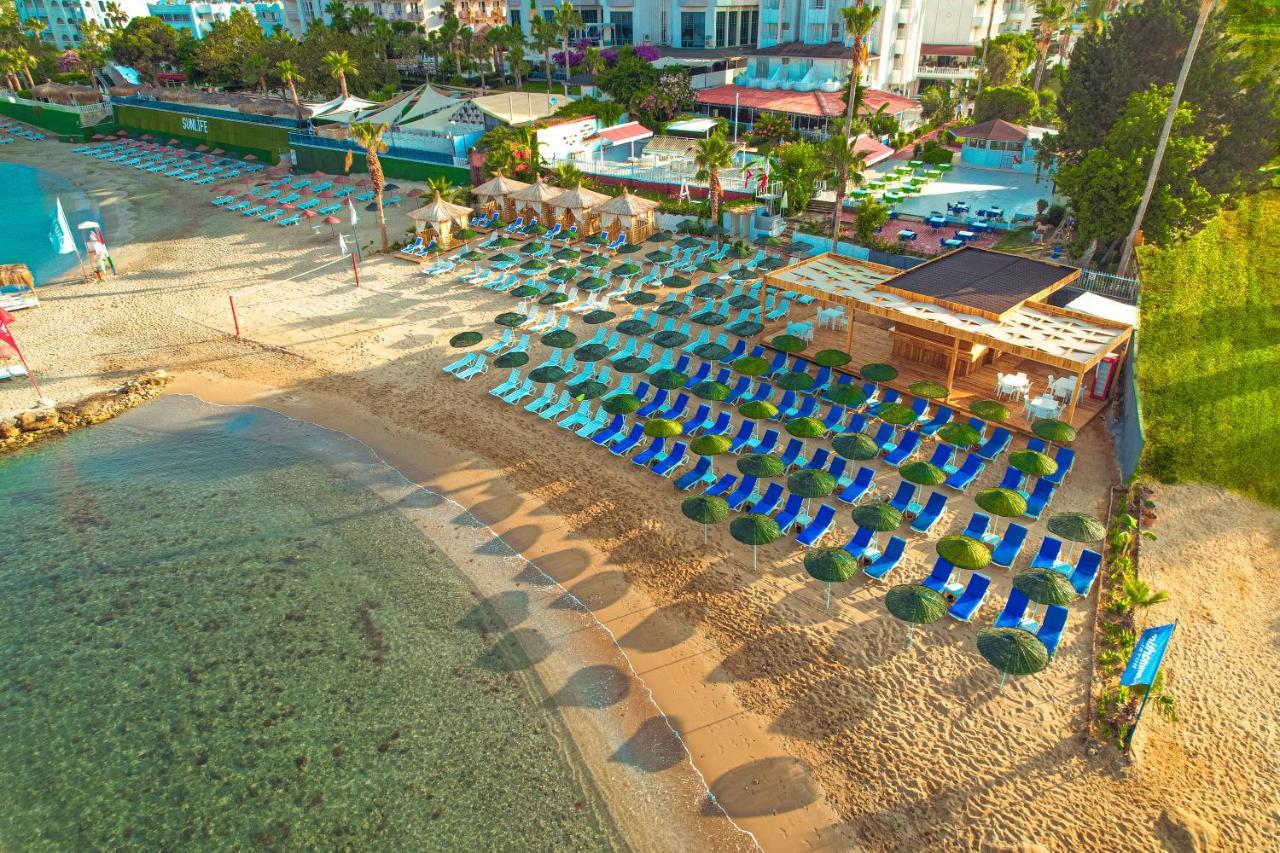
These two hotels represent the upper tier of thermal hospitality in Karahayit and the wider Pamukkale area, offering expanded pool infrastructure, refined dining, and spa facilities that go significantly beyond standard wellness amenities.
-
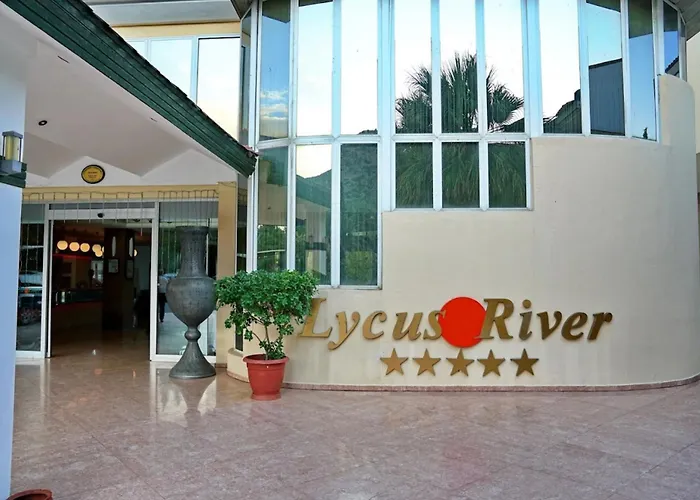
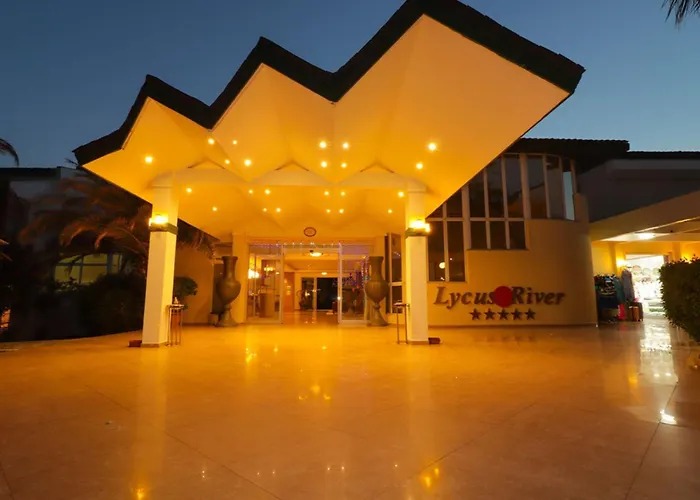
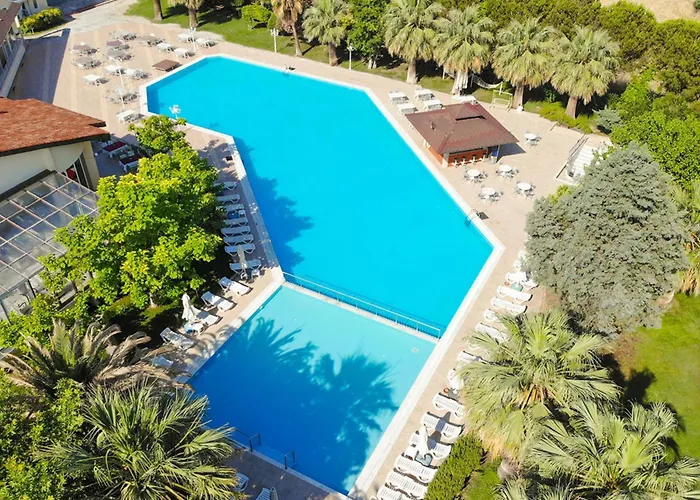
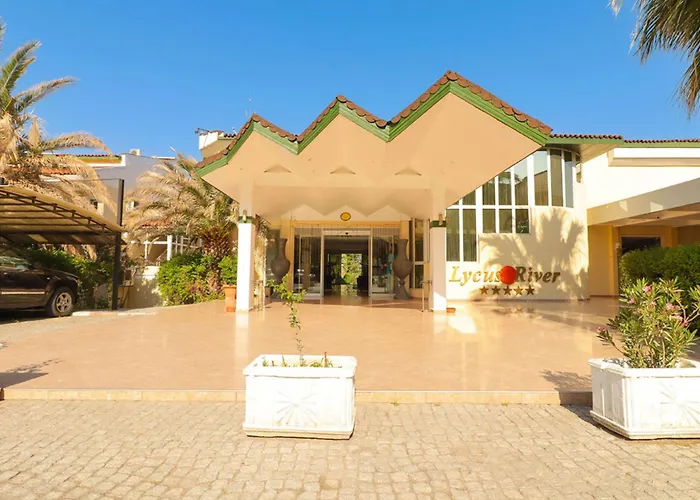
3. Lycus River Thermal Hotel
Show on map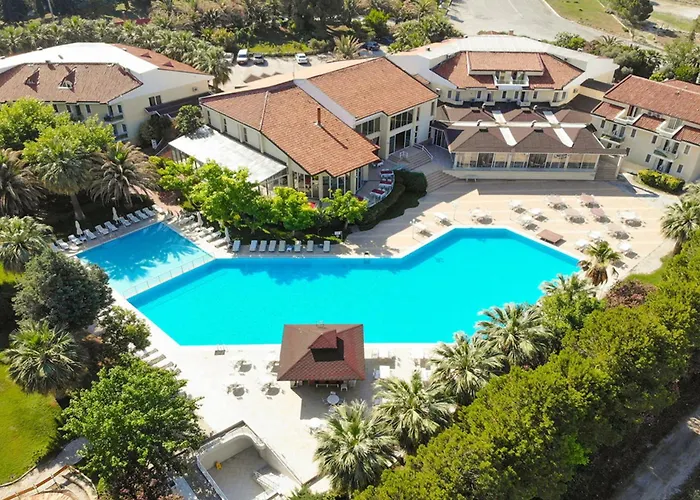
 Check-infrom 14:00 until 23:59Check-outuntil 12:00
Hurry – almost gone at this price!
fromTL 7128
-
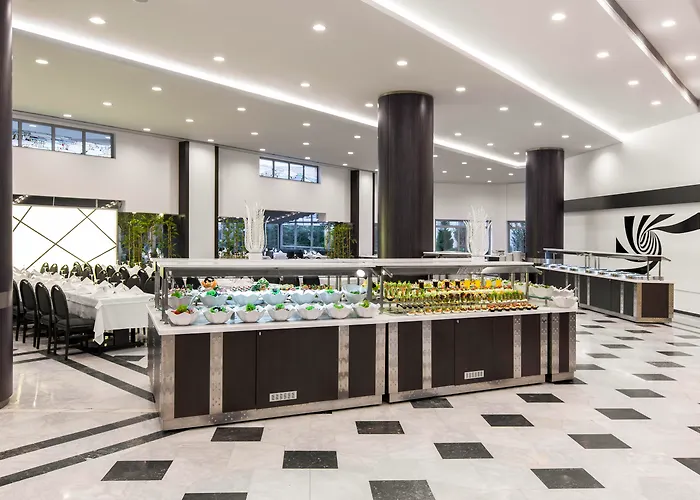
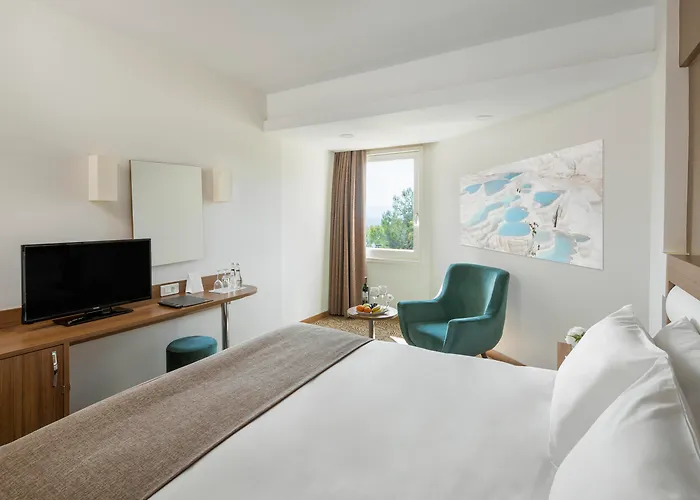
2. Richmond Pamukkale Thermal
Show on map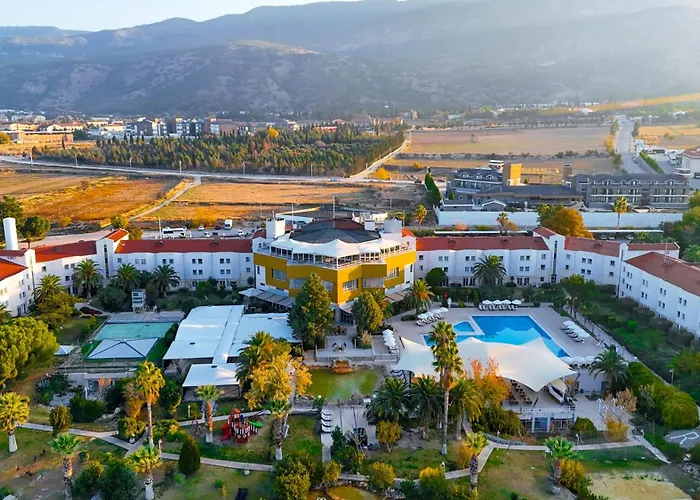

 Check-infrom 14:00 until 23:59Check-outuntil 12:00
Rooms filling fast – secure the best rate!
fromTL 3444
Smart Travel & Timing Advice for Karahayit Spa Hotels
The best window for a Karahayit spa stay without peak pricing or crowd pressure is October through early December. Temperatures are mild enough for outdoor pool use, the Pamukkale Travertines are far less busy than in summer, and hotel rates drop noticeably compared to the July-August peak. Spring (April to June) is the most competitive booking period - European and domestic Turkish visitors combine Pamukkale with Aegean coastal trips, and the premium properties like Richmond Pamukkale Thermal and Lycus River fill up weeks in advance. A minimum of three nights is the practical threshold for a thermal stay - one night is rarely enough to experience the full treatment cycle of hammam, pool rotation, and in-room bathing. For winter stays, Karahayit has an underappreciated appeal: the heated outdoor pools remain operational, the pine forests look distinctly different in the cold, and the general atmosphere shifts toward genuine recovery rather than holiday tourism. Book airport transfers at the same time as the room - Denizli Çardak Airport is 79 kilometers away, and last-minute transfer arrangements in this area are unreliable and more expensive than pre-arranged hotel shuttles.