


A touring team moves through a tournament on a schedule that rarely matches the one fans would choose for themselves. Squads travel in blocks, stay in hotels booked by the organisers or by the club, and face back-to-back fixtures in cities that can be hours apart. Supporters who follow the team face the same constraints, usually with less structure and fewer people to lean on.
This guide sets out how to plan around that rhythm. It covers the choice of hotel, the handling of layovers, and the timing of the match day itself. It is written for supporters, families and small groups who travel with a team, though the planning steps also suit staff and volunteers.
Tournament information in the archive is a useful reference for how competitions were structured in earlier years. The Americas hub and the Asia hub show how fixtures were spread across very different regions, which is a good reminder that travel patterns depend heavily on the tournament itself.
Who Is Travelling and Why It Matters
The first planning question is who is actually travelling. A squad, a coaching staff, a group of family members and a set of independent fans each have different needs. Squads often move as a block, with set departure times and a shared hotel. Independent fans can choose their own route, but they also carry the full cost of every decision.
Write down the group composition before you book anything. Note who needs a room with a particular layout, who has mobility needs, and who must be back home by a set date. A single missing detail, such as a child travelling without a second adult or a companion who needs an accessible room, can change the whole plan.
Decide early whether the group will move together or split. Splitting can save money on flights and accommodation, but it adds coordination work and the risk of missing a meeting point. Moving together is simpler to manage, though it limits the choice of route.
Keep the group's contact details in one shared place. Phone numbers, emergency contacts and the name of the hotel should be accessible even if someone's phone runs out of charge during a long day of travel.
Hotels Close to the Airport or the Arena
Hotel location is the single biggest decision in following a touring team. A hotel close to the arena cuts the match-day transfer to a few minutes, but it may be far from the airport and expensive for an early departure. A hotel near the airport can make the arrival and departure days easier, but it adds a longer trip on match days.
The right answer depends on the tournament structure. If the team plays several matches in one city, a central hotel near the venue usually makes sense. If the team moves between cities, an airport hotel can simplify the transfers between cities, especially when flights leave early.
The table below compares the two approaches in general terms:
| Factor | Hotel near the arena | Hotel near the airport |
|---|---|---|
| Match-day transfer | Short and predictable | Longer, often needs a booked transfer |
| Early departure | Requires a pre-booked taxi or shuttle | Usually simpler to reach the terminal |
| Arrival after a long flight | Longer onward journey to rest | Often the quicker route to a bed |
| Access to city sights | Generally better | Often more limited |
Whichever option you choose, confirm the shuttle policy, the check-in time and the cancellation terms in writing. Hotel websites are sometimes out of date, and a short email to the front desk can prevent an unpleasant surprise at the end of a long day.
Layovers and Connection Planning
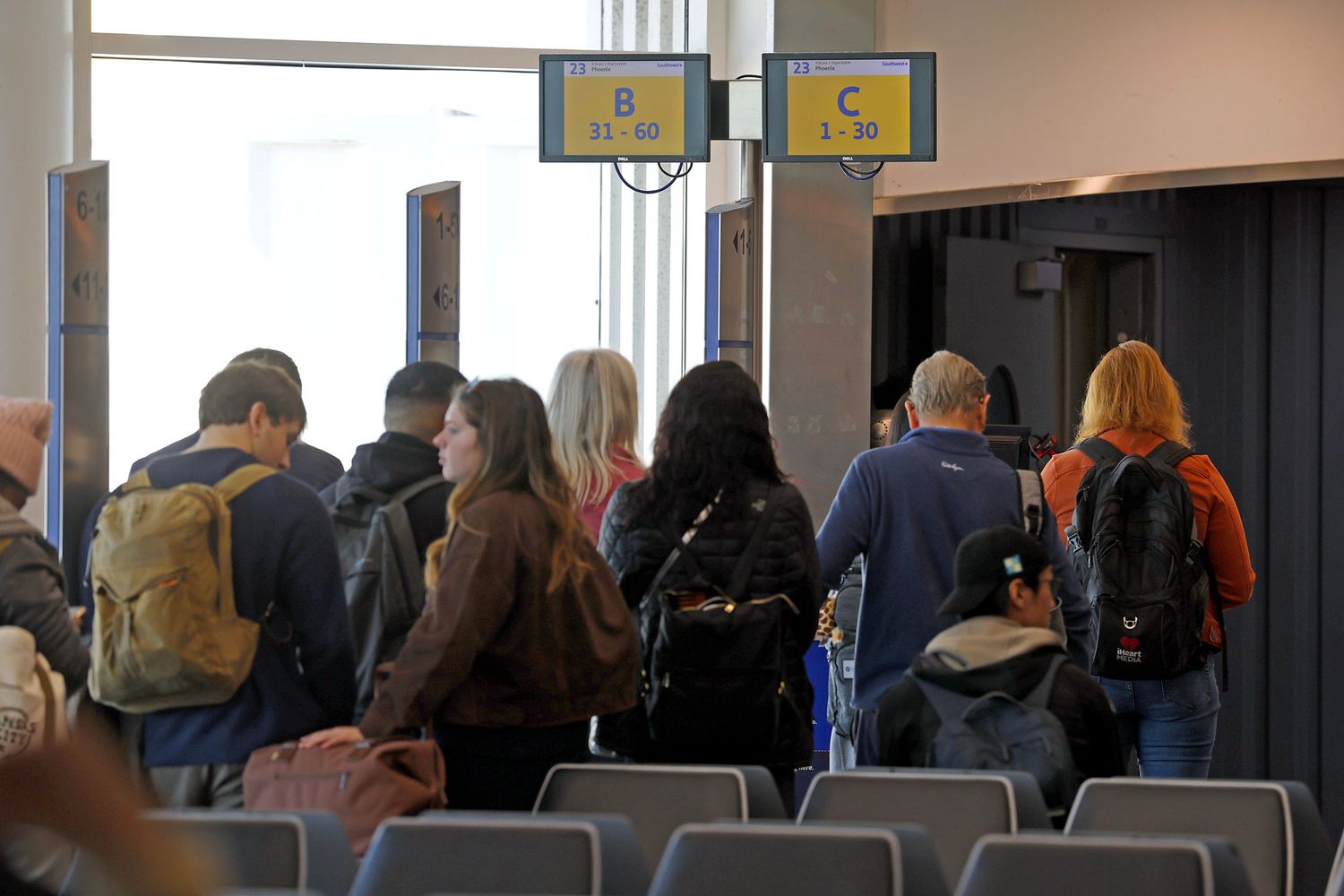
A layover is any stop between the outbound and the final leg of a journey, and it is where a touring team's plan is most likely to slip. A long layover can be useful for rest and a short walk, but it can also be dull and tiring. A short one leaves little margin for a delayed connecting flight.
Check the minimum connection time for each airport and airline. Connections through large hubs usually need more time than through smaller airports, because the walk between gates and the queues at security add up. If the itinerary mixes airlines, you may need to collect and re-check luggage, which takes additional time.
Plan what happens during a long layover. Some travellers use the time to eat properly, rest or handle paperwork. Others prefer to stay near the gate so they do not miss a boarding call. Agree on the plan as a group so that nobody wanders off and disappears from the group chat.
Keep a copy of every booking reference and the name of the hotel in each city. If a connection fails, these details make it much easier to rebook or to explain the situation to a hotel that has a late arrival.
Match-Day Timing for Travelling Groups
Match-day timing is about working backwards from tip-off. Decide the latest moment the group must be inside the venue, and allow time for security checks, finding seats and any ticket collection. A group of several people takes longer to move through checks than a single traveller, so the margin should grow with the size of the group.
Build the morning around rest rather than sightseeing. Travel days and match days are tiring, and a plan with too many activities tends to leave people short of sleep by evening. A slow breakfast, a short walk and an early lunch are usually enough.
Keep the group's kit and tickets in one bag that one person carries, or agree on who holds each item. Losing a ticket or a bag of equipment on a match day is one of the easiest problems to avoid with a little planning.
After the match, plan the route back before you leave the venue. A late finish can make transport crowded, and a clear plan saves a lot of standing around in the cold. A taxi booked in advance is often the simplest fallback.

Keeping Supporters and Family Informed
Keeping people informed is more difficult when a group is spread across several cities. A single shared channel for schedule updates, flight changes and meeting points is usually the most reliable approach. Pick one channel and ask everyone to check it at set times rather than sending updates across several apps.
Share the official schedule for the tournament, but always confirm the current date and start time before travelling. The archive is a helpful reference, yet archived information is not a substitute for the current official calendar.
If you cannot travel to a match, the live section is one way to follow it from home. Watching the match at a fixed time gives family members a shared moment, even when the group is in different places.
One more point: agree on what the group will do if something goes wrong. A missed flight, a lost bag or a sudden illness can disrupt the whole plan, so decide in advance who makes which decisions and how those decisions are communicated. Write the answer down, and keep it in the same place as the schedule so that nobody has to search for it under pressure.
Frequently Asked Questions
Should a supporter stay in the same hotel as the team?
Not necessarily. Some supporters prefer their own accommodation, which gives more flexibility on price and location. Staying in the same hotel can help with transfers, but the team's schedule may limit access to shared spaces.
How much layover time is sensible?
It depends on the airport and the airline, but a short layover leaves little room for delays. Check the minimum connection time and allow a margin for security queues and walking between gates.
What should be in a group travel document?
Include flight numbers, booking references, hotel names and addresses, emergency contacts and the match start time in local time. Keep a printed copy as well as a digital one.
Can the same plan work for different tournaments?
The planning steps are the same, but the details change with each tournament. Check the schedule, the venue and the transport options for each event before you book.