


London has more than one major airport, and during the 2012 Olympic Games the choice between them shaped the journey for many visitors heading to the basketball venue in the east of the city. Heathrow and Gatwick serve different sets of routes, and each one brings its own approach to the final transfer into central London and onwards.
This article looks at the general trade-offs a visitor faced at that time. It is written as a planning guide rather than a record of specific itineraries, so the points below apply to any large event in a busy capital city, not only to one Games.
Basketball venues during the 2012 Games sat outside central London, a long way from both airports, so the first step is to confirm the exact venue. Understanding how the two airports connect to that venue is the foundation for any sensible plan, and the schedule page is a good place to start for any archived tournament dates you want to check against your own travel dates.
Heathrow and Gatwick: Different Roles
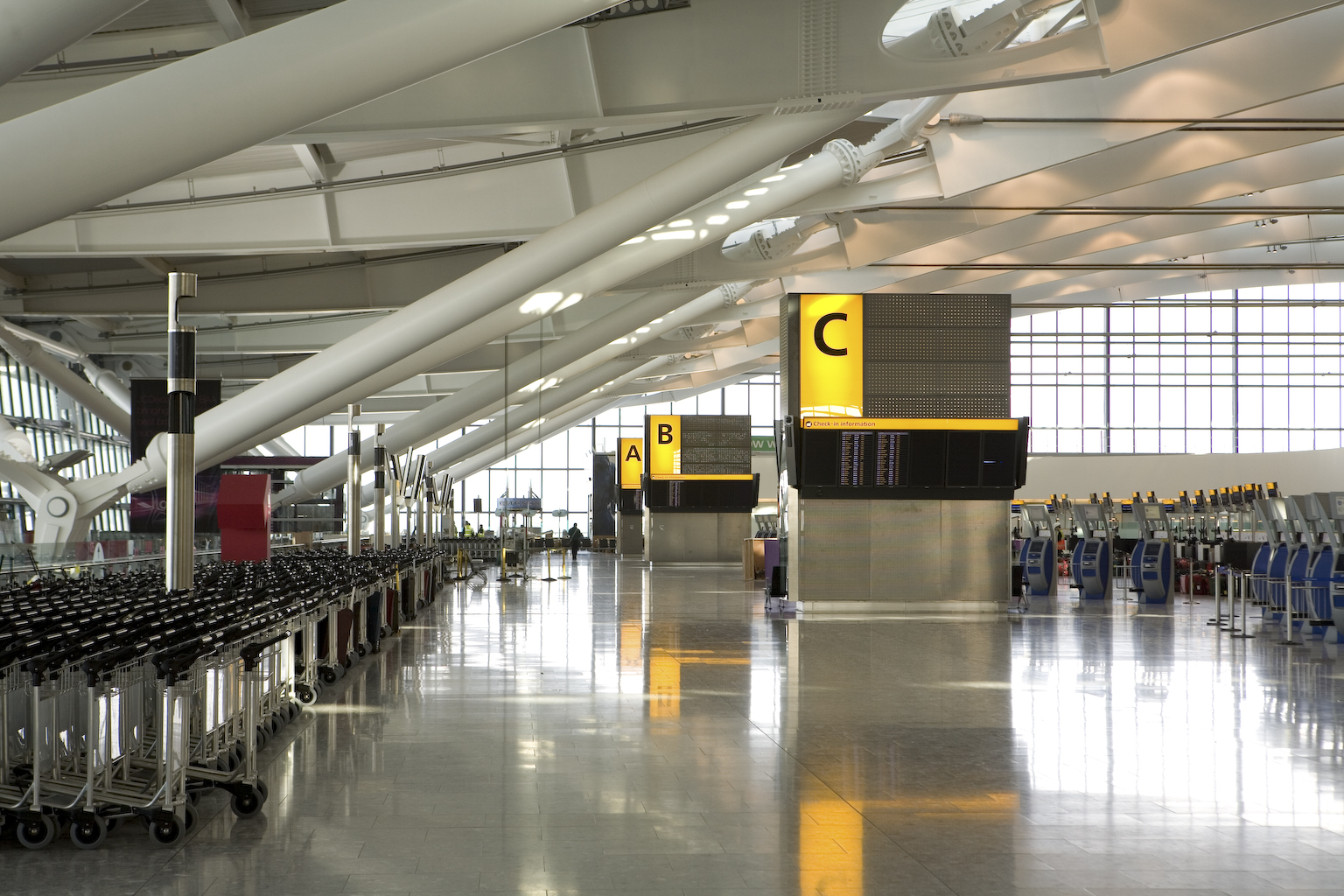
Heathrow handles a very large share of the long-haul and full-service traffic into the capital, and it is the airport most visitors from outside Europe are likely to use. Its size brings many connections and a wide range of onward options, but it also means large crowds, long walks and busy transfer hubs, particularly on event days.
Gatwick is the second major airport serving London and is more closely associated with short-haul and leisure routes. It can be a practical choice for visitors whose flights operate from it, and its rail link into the city offers a direct option for many travellers.
Neither airport is automatically better. The right choice depends on where your flight operates, how much luggage you carry and how much time you have between landing and the first event of the day. Compare the flight schedules for each option before you settle on one, because a cheaper ticket into the second airport may add a longer transfer that eats the saving.
Plan for the terminal you actually use, and confirm the transfer method before you leave the arrivals hall. Searching for the right route from a crowded concourse wastes time that a written plan would have saved.
Reaching the Venues From Central London
For most venues outside the centre, the practical approach is a combination of rail, Underground and bus. The best route depends on the exact venue, so map it from the station you will use rather than from the general city centre. Check the route before you travel, since timetables and station layouts can differ from what you remember from a previous visit.
Allow time for the walk from the station to the venue. Event days bring large numbers of people onto the same routes, and a journey that takes twenty minutes on a quiet day can take much longer when crowds build near the entrances. Arrive earlier than you think you need to and keep the final approach simple.
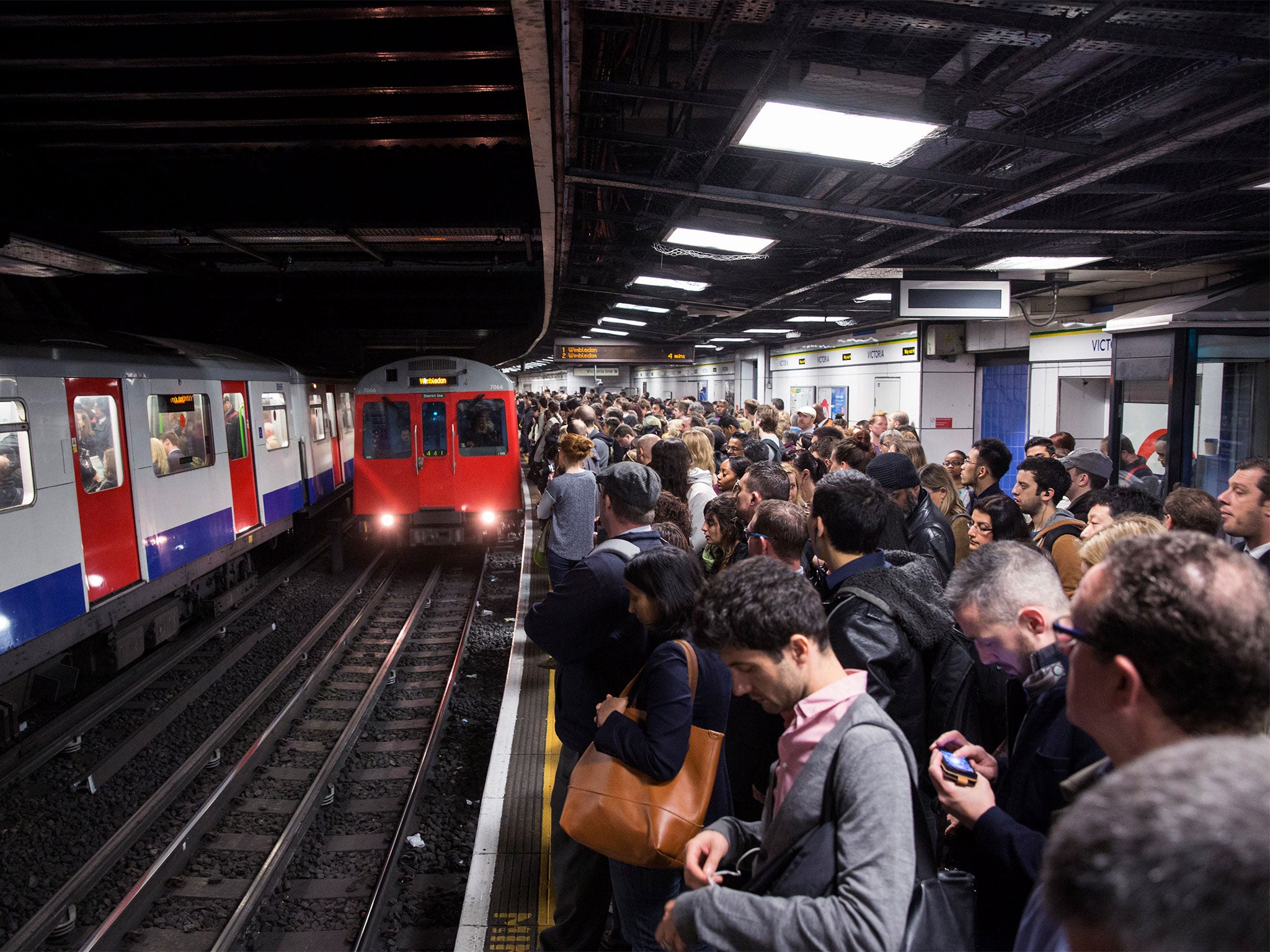
Think about the return as carefully as the outward trip. Late sessions can produce heavy crowds at the stations, and the last services of the night may be busier than usual. A pre-agreed meeting point for a group saves time when people are trying to find each other in a crowd.
Keep your tickets and any accreditation easy to reach, since security checks around major venues can be thorough. Carrying a bag that is small and simple to inspect speeds up the queue at the entrance.
Planning Around Event Days
Event days change how a city moves. Roads near the venues can be restricted, public transport runs with extra loading, and some routes are closed to general traffic. These changes are announced in advance, but they are easy to miss if you only check a map once.
Read the official travel information for the event period rather than relying on a general city map. Pay attention to closures, changed bus routes and any suggested arrival windows. Plans made from older information can send you to the wrong station or the wrong side of a closed road.
Build in a margin for security. Major events use screening at entrances and transport hubs, and the queues can be long at peak times. Keeping your bag to the permitted size and having your ticket ready reduces the time you spend waiting.
If you are travelling from the airport on the same day as a match, avoid planning a tight connection between the two. A flight delay or a long immigration queue can ruin a schedule that looked workable on paper, so leave more room than you think you need.
Accommodation Choices for a Major Event
Accommodation decisions for a large event often come down to a choice between staying close to the venue and staying close to the airport. Each option trades a different kind of travel time for a different kind of cost. A central stay offers convenience for the events themselves, while an airport-side stay can simplify the arrival and departure days.
Booking early matters more during major events, because the most convenient rooms tend to fill first. Check the cancellation terms carefully, particularly if your travel dates depend on a flight that might change. A flexible rate can cost more, but it protects you if the plan shifts.
Look at the travel time from each hotel to the venue at the hour you will actually be travelling, not at a quiet time of day. A route that looks short on a map can take much longer during rush hour or on an event evening.
Groups should consider splitting bookings by arrival day. Some members may land early and need a room straight away, while others arrive later. Matching room bookings to flight times avoids paying for nights nobody uses.
Checklist for a Similar Trip Today
The lessons from a large capital-city event apply to any major basketball trip. The following checklist turns them into steps you can apply to your own planning, and the Europe hub lists fixtures by region for comparison:
- Confirm which airport your flight uses and the transfer options from it.
- Check the venue address and the nearest station, not only the city name.
- Read the official travel information for the event period on the day you book.
- Allow a margin of at least an hour for security and crowds at the venue.
- Choose accommodation based on the arrival and departure days, not only the matches.
- Agree on a group meeting point and a fallback route before you leave the airport.
Stick to the plan you wrote down, and revise it only when official information changes. A written plan that you check once a day is more reliable than a set of memories assembled under pressure. Print the checklist and keep it with your tickets, because a paper copy still works when a phone battery runs low. Before you finalise the plan, the video list gives a sense of the arenas and competitions you may be travelling to.
Frequently Asked Questions
Which airport is better for a visit to a Games venue?
Neither is automatically better. The right choice depends on where your flight operates, how much luggage you carry and how much time you have between landing and the first event. Compare the total journey time from each airport.
Are Heathrow and Gatwick equally convenient for rail links?
Both have rail connections into the city, but the routes and journey times differ. Check the timetable for the time of day you will be travelling, because services vary.
How early should I leave the hotel on an event day?
Leave with enough time for the journey plus a margin for crowds and security, which is often more than a normal day requires. An extra half hour rarely wastes much time, while a missed entry can waste the whole day.
Can I use this guide for other events?
Yes. The planning steps apply to any large event in a busy city. Always check the current official information for the specific event you are attending.