


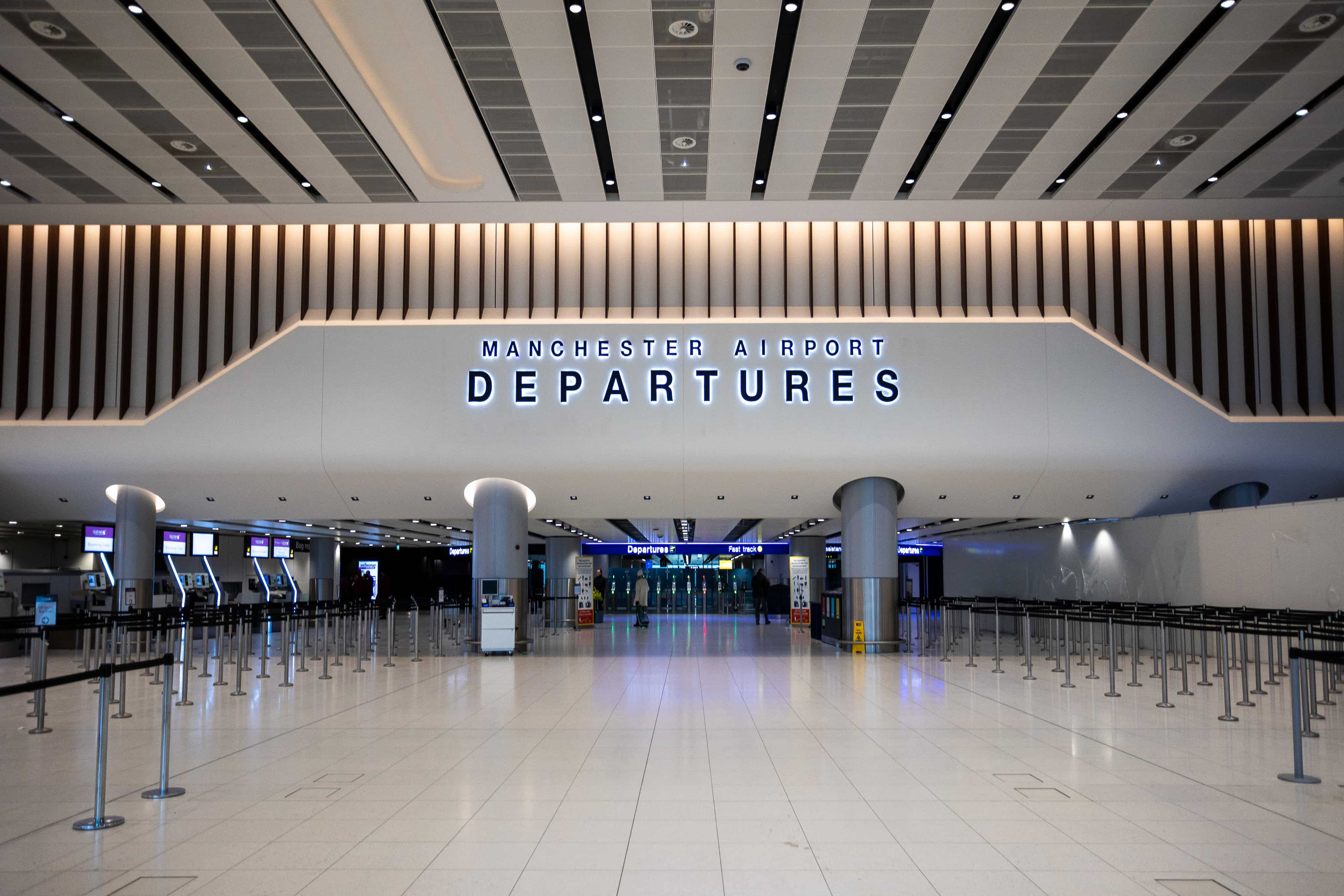
Manchester Airport is one of the largest airports in the United Kingdom outside London, and for many European basketball fans it is the most practical gateway into the north of England. Its route network spans a wide range of European cities, which makes it a sensible starting point for anyone combining a flight to a continental away game with a return through a British airport.
The reasons go beyond size. The airport sits within reach of several large cities across the north, so fans travelling from those areas often find it easier than a flight through the capital. The journey to the airport, the connection times and the onward transfer all shape how much of a match day remains free for the game itself.
This article explains why the airport works well as a hub, what to check before you book, and how to plan the return after a late finish. If you cannot make the trip in person, the live section is a useful alternative for following a match from home.
Why a Northern Gateway Suits Many Away Trips
Travel patterns matter as much as airline schedules. Fans in the north of England, and in parts of Wales and Scotland, often find that a flight from Manchester saves a connection through London. A shorter trip to the airport and fewer changes on the way out reduce the risk of missing a match because of a single delayed train.
The airport also tends to offer a broad range of European destinations on a single day, which helps when a tournament sends a team to a host city that is not served by a direct flight from every regional airport. Checking the route map for your own departure point is the quickest way to see whether Manchester is the right choice for a given trip.
Consider the return as well as the outbound flight. A flight that leaves early in the morning may be the only sensible option after a match in a distant city, while a late departure can leave you with a long wait. Balancing the two keeps the trip manageable.
Finally, compare the total journey time, not just the fare. A cheaper flight that adds two hours of travel can cost more in tiredness and stress than a slightly dearer option with a clean connection.
Terminal Layout and Connection Times
Manchester Airport has several terminals, and the one you use depends on your airline. That detail is easy to overlook when booking, but it matters on the day. A transfer between terminals can take longer than expected, especially with luggage, so check which terminal your flight uses before you plan the rest of the day.
Give yourself a clear margin for the walk from the arrival gate to the baggage hall and then to the transport pick-up point. Signs are generally clear, but busy periods can slow movement through the hall, and a group travelling together moves more slowly than a single traveller. Agree on a meeting point before the flight lands.
If you have a connection through the airport, confirm the minimum connection time with the airline. Some itineraries combine separate tickets, and in that case you may need to collect and recheck luggage yourself, which takes more time than a single through booking.
Keep your boarding pass and ticket confirmation easy to reach. Security and transfer staff may ask for them at more than one point, and digging through a bag at each stop adds small delays that add up across a day of travel.
Rail, Tram and Road Links to the City
Rail and tram services are often the most predictable way into the city from the airport, particularly at busy times when road traffic slows. Check the current timetable before travel, since frequencies change by day and by season, and some services run less often late in the evening.
A taxi or private hire car gives the most direct route, though the fare can rise at peak times. For a group of three or four, splitting the cost of a single car can be competitive with public transport once luggage is included. Agree on the fare in advance or use a meter you can see throughout the journey.
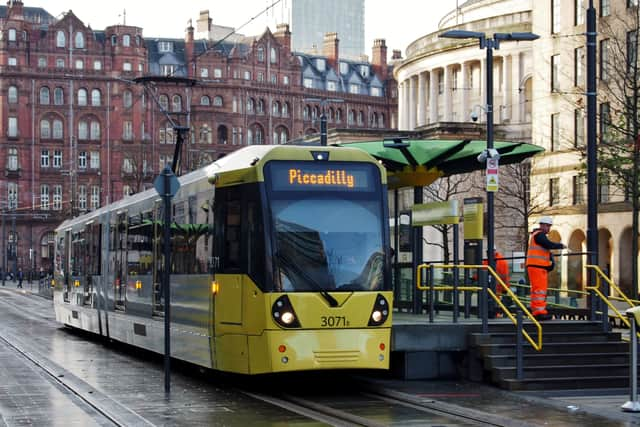
The arena location matters as much as the airport link. A venue that is well served from the city centre may still need a separate transfer from the station, so look at the final leg on a map. If the last stretch involves a long walk after dark, plan a route that uses well-lit roads.
Keep the first and last service times noted for your route. A late finish can leave you without public transport, and a taxi booked in advance is a safer fallback than hoping one will be available outside the venue.
Planning the Return After a Late Finish
The return journey is where many away trips lose their margin. A match that finishes late leaves little time before the last train or the final departure of the night, and the crowds at the transport hubs can make an ordinary journey take twice as long. Plan the return before you leave the arena, not afterwards.
A short checklist helps on the night:
- Note the last reliable service from the venue back to the city or station.
- Decide on a fallback taxi and save the number before the match.
- Check the first morning flight if your departure is early.
- Keep a charged phone and a printed copy of your booking.
If the flight home is early the next morning, consider staying closer to the airport the night before. A nearby hotel reduces the number of transfers in the small hours and gives a chance to sleep before the early start, which is often worth more than the extra cost.

Finally, leave room for the unexpected. Weather, engineering works and crowds all affect transport on any given night, and a plan that works on paper can fail on the day. A margin of an hour or more on the return is a sensible starting point.
Practical Checks Before You Book
Before you book, compare the complete journey rather than the headline fare. Write down the flight time from your home airport, the arrival time in Manchester, the transfer into the city and the onward trip to the venue. A flight that looks cheaper can add a connection or an early start that costs more in sleep and stress than it saves in money.
Check the baggage allowance for the specific airline on the specific route. Equipment and team kit are often the first thing to cause trouble at check-in, so confirm the rules in writing if you are carrying anything unusual. Weigh bags at home and keep a copy of the allowance in your planning document.
Look at the fixture list as well. The schedule page shows archived dates for many competitions, but it is worth checking current dates with the organisers before buying a non-refundable flight. Fixtures in Europe are grouped on the Europe hub, which is a useful place to compare the cities a tournament used.
Finally, decide early who is travelling and who needs a separate booking. Groups that split across airlines or arrive on different days need more coordination at the airport, and a single shared document with flight numbers and meeting points reduces confusion when the flights land.
Frequently Asked Questions
Is Manchester Airport a good choice for fans from outside the UK?
It can be, depending on the route network and the match you are travelling to. Check whether a direct flight exists from your home airport and compare total travel time, including the onward transfer to the arena.
How many terminals should I expect to use?
That depends on your airline, so check your booking before you travel. If you have a connection between airlines, you may need to move between terminals, which takes extra time.
Is the tram a reliable way to reach the city?
Tram services are generally a predictable option, but frequencies vary by time of day. Check the current timetable and allow extra time at peak periods.
Should I stay near the airport before a match?
If your flight lands late or leaves very early, a hotel near the airport can save a long transfer. Compare the cost of that stay with a city hotel plus transport to decide which works better.