


Stansted Airport is a major base for low-cost carriers, and many supporters who travel to European basketball tournaments on a tight budget use it as their starting point. The appeal is straightforward: lower fares on many routes and a rail link into the city that is simple to understand. The trade-off is that budget travel rewards careful planning, because the small print of the ticket can change the total cost of the trip.
This article covers how to make a budget route work for a tournament weekend. It looks at the final transfer from the airport, baggage rules that catch people out, and the timing choices that protect the rest of the plan. It is intended for independent supporters rather than for teams.
Match tickets are often the next decision after the flight. The buy page explains how ticketing works on the site, though you should always check the current arrangements with the organisers for the specific event you are attending.
Why Stansted Appeals to Budget Travellers
Low-cost carriers tend to operate from airports where landing charges and handling costs are lower than at the largest hubs. Stansted fits that pattern, and it serves a wide range of European destinations on short-haul routes. For a basketball supporter with a fixed budget, that combination often makes the airfare the most attractive part of the trip.
The headline fare is only the start. Budget airlines typically charge separately for checked luggage, seat selection and some payment methods, so the final price can be higher than the first figure shown. Compare the complete cost, including bags and any transfer you will need, before choosing a flight.
Flight times on budget routes can be early or late. An early departure from Stansted may mean a very early start from home, while a late arrival can leave you with limited transport options. Weigh the convenience of the timing against the price, because a cheap flight at an awkward hour can cost more in lost sleep than it saves.
Check whether the route you want operates on the days you need. Budget schedules change more often than full-service schedules, so confirm the flight a few weeks before departure and again close to the date.
Getting From Stansted to Central London
The rail link from Stansted into London is one of the most straightforward airport transfers in the region. It is typically the cheapest way to reach the city centre, and it runs more often than many visitors expect. Check the current timetable for your travel day, since frequencies and journey times vary.
Plan the walk from the airport terminal to the station as part of your timing. The station is connected to the terminal, but a heavy bag and a crowd can make the walk feel longer than it looks on a map. Allow a few extra minutes so that you are not rushing to catch a train.
Your onward route depends on where the arena or hotel sits. A rail journey into the centre may still need a second connection to reach the venue, and each change adds time. Map the complete route, from the platform to the entrance, before you travel.
If you are travelling in a group, consider a shared taxi or a pre-booked coach for the final stretch. The rail fare is low for one person, but for a group the total cost of multiple tickets and changes can exceed the price of a single transfer.

Baggage Rules and Other Budget Pitfalls
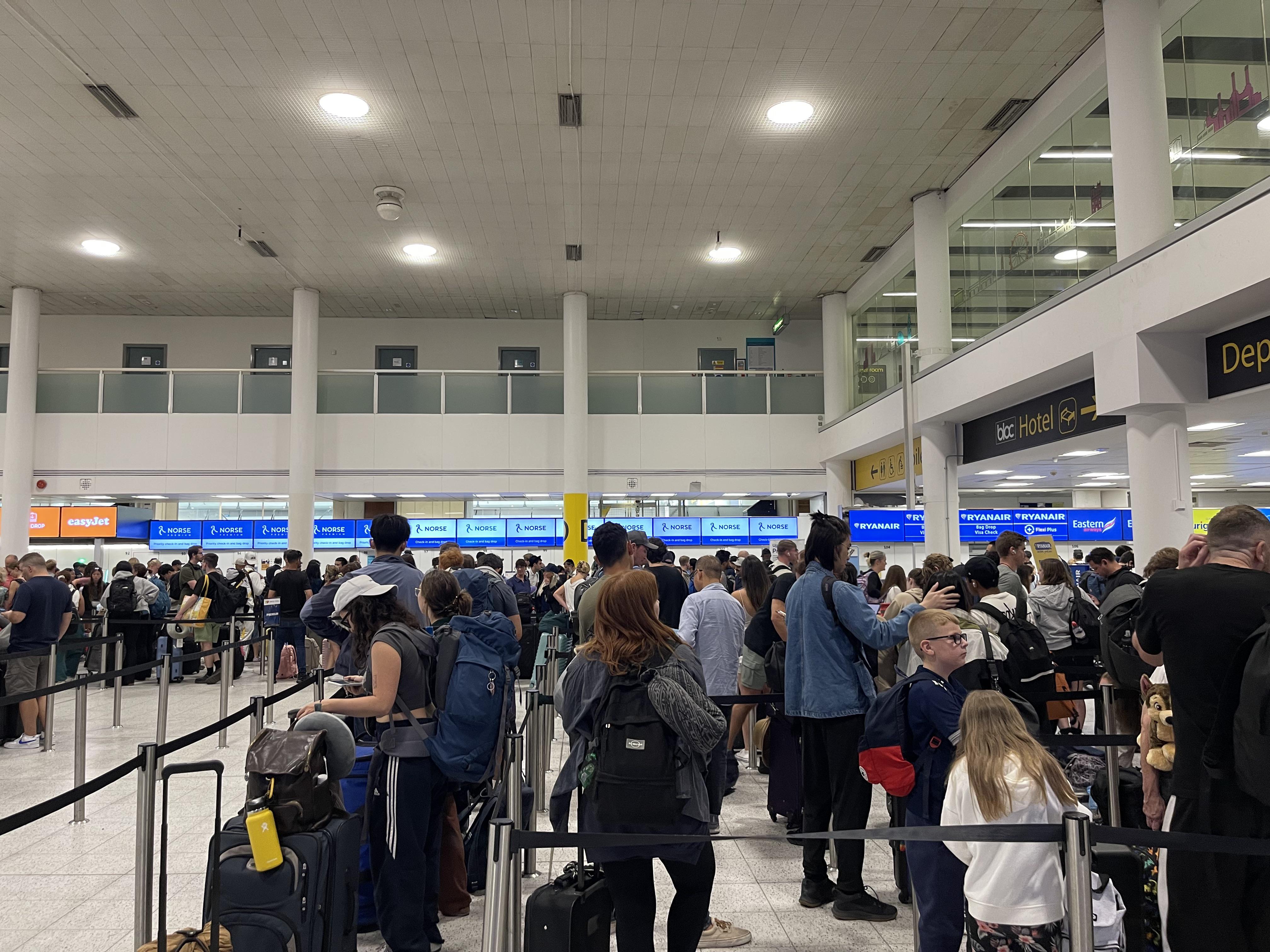
Baggage is where budget trips most often go over budget. Most low-cost carriers charge separately for a checked bag, and the fee is usually cheaper when paid at the time of booking than at the airport. Check the size and weight limits for both hand luggage and checked bags, because a bag that is slightly too large can attract a charge at the gate.
Sports equipment needs particular attention. Some carriers treat it differently from standard luggage, and the rules can change between routes. If you are carrying equipment for a tournament, ask the airline in advance and keep a written copy of the answer.
Use this checklist before you reach the airport:
- Confirm the hand luggage size and weight allowance for your fare.
- Pay for checked baggage when you book, if you need it.
- Print or save the boarding pass and the ticket confirmation offline.
- Check the arrival time and the rail timetable for the final leg.
- Keep the match ticket, accreditation and passport in one easy-to-reach place.
Budget airlines also tend to offer fewer flexible options, so read the change and cancellation rules carefully. A fare that is cheap to buy can be expensive to change, and that matters on a trip that depends on a fixed match date.
Timing the Flight Around the Match
The biggest timing risk on a budget route is the gap between landing and tip-off. A flight that lands just before the match gives no slack for queues, transfers or a delayed train. Aim for an arrival that leaves a clear margin, even if that means a slightly more expensive flight the day before.
Early departures from Stansted are a common choice for supporters returning home after a late match. Consider the sleep you will get before the flight. A short night after a late finish can make a dawn departure tiring, and a missed flight after a match is an expensive mistake.
Build in a fallback for the return. Check the first morning rail service, and note the time of the last train on the night of the match. If the timing is very tight, a hotel near the airport can remove the risk of a missed flight, and that option is worth comparing with a taxi on the morning itself.
Keep your phone charged and your airline app installed before you travel. Flight changes often arrive by message, and a quick check on the day can prevent a missed boarding call.

Checking Dates and Ticket Rules Early
Dates are the most important detail on a budget trip, because a non-refundable flight cannot be moved without a cost. Before you buy, confirm the fixture date and start time with the organisers, and treat any archived listing as a reference rather than a confirmed booking. The schedule page is useful for seeing how a tournament was laid out in earlier years.
Ticket rules deserve the same care. Some match tickets are transferable, others are tied to a named buyer, and some are refundable only under specific conditions. Read the terms before you pay, and keep a copy of the confirmation in your planning document.
Compare the cost of a flexible fare with the risk of a date change. A flexible fare costs more upfront, but a single change can cost far more than the difference. On a trip where the match date is not yet confirmed, the extra money may be the cheapest insurance you buy.
The Europe hub lists archived fixtures by competition, which helps when you are comparing several host cities. Use it to see which matches might fit a route before you commit to an airline.
Frequently Asked Questions
Is Stansted always the cheapest airport for a budget trip?
Not always. Fares change by route and by date, so compare Stansted with other nearby airports for your specific trip. The total cost, including transfers and baggage, is the figure that matters.
Is the rail link into London reliable?
It is generally a dependable option, but timetables change by day and season. Check the current service for your travel date and allow a margin for the walk between the terminal and the station.
Should I pay for checked baggage in advance?
Usually yes, because the fee is typically lower when paid at booking than at the airport. Check the exact allowance for your fare before you pay.
What if my budget flight is cancelled?
Check the airline's rules on refunds and rebooking for your route. Keep your booking reference and contact the airline as soon as possible to explore the options available to you.